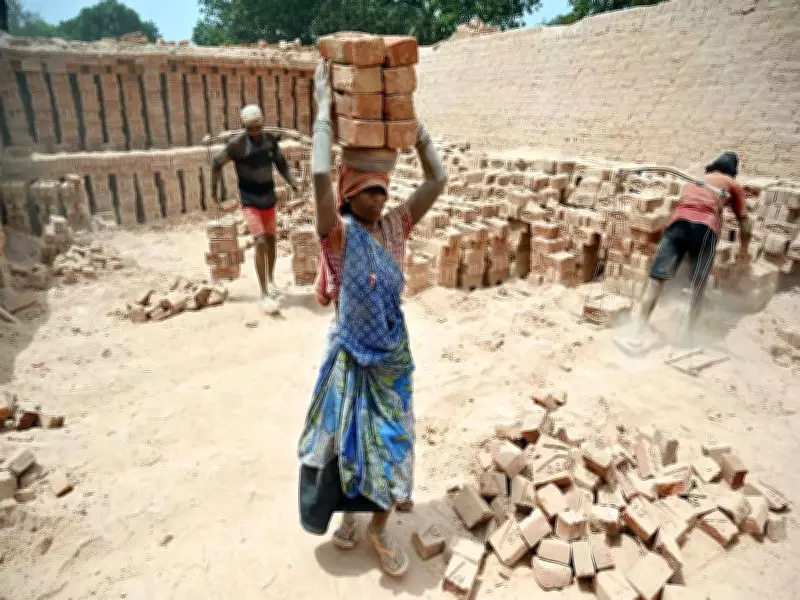
A recent report by the State Bank of India (SBI) has brought to light significant disparities in minimum wages across Indian states, with Chhattisgarh, Odisha, and Jharkhand recording the highest gaps between minimum wages and living costs. The report, titled 'Minimum Wage Disparity in India,' underscores the economic challenges faced by workers in these regions.
Key Findings of the SBI Report
The SBI analysis examined the ratio of minimum wages to the cost of living in various states. It found that in Chhattisgarh, the minimum wage covers only about 60% of the basic living expenses, leaving a substantial deficit. Similarly, Odisha and Jharkhand showed that minimum wages fall short by nearly 35-40% of the required amount for a decent standard of living.
States with Better Alignment
On the other end of the spectrum, states like Kerala, Delhi, and Haryana demonstrated a relatively better alignment between minimum wages and living costs. In Kerala, the minimum wage covers over 90% of the essential needs, indicating a more balanced wage structure. However, even in these states, the report notes that wages often fail to keep pace with inflation and rising housing costs.

Implications for Workers
The disparity has severe implications for workers, particularly in the informal sector. Many laborers in Chhattisgarh, Odisha, and Jharkhand are forced to work multiple jobs or rely on government subsidies to make ends meet. The report highlights that the gap is more pronounced in rural areas, where access to affordable goods and services is limited.
Policy Recommendations
The SBI report suggests several measures to address the wage gap. It recommends periodic revision of minimum wages based on inflation and regional price variations. Additionally, it calls for stronger enforcement of labor laws and the expansion of social security nets to protect vulnerable workers. The report also emphasizes the need for skill development programs to enhance employability and productivity.
Broader Economic Context
India's minimum wage policy is governed by the Minimum Wages Act, 1948, which sets rates for different sectors and regions. However, implementation remains uneven, with many states failing to update wages regularly. The SBI report adds to the growing body of evidence that minimum wages in India are often inadequate, contributing to poverty and inequality.
The findings come at a time when the government is considering a universal minimum wage. While the proposal has been debated, the report provides concrete data to inform policy decisions. It underscores the urgency of addressing wage disparities to ensure fair compensation for all workers.