Major automakers are banking on $2.3 billion in future tariff refunds, a move that could provoke the ire of former President Donald Trump. Companies including Ford, General Motors, Mercedes-Benz, and Stellantis have logged expected reimbursements in their first-quarter earnings, artificially boosting paper profits for the period.
How Automakers Are Booking Tariff Refunds
These refunds stem from tariffs imposed during the Trump administration on imported steel, aluminum, and auto parts. The companies anticipate that ongoing trade disputes will be resolved in their favor, allowing them to reclaim duties paid. By recording these expected refunds as current assets, automakers have inflated their Q1 net income figures, even though the actual cash may not arrive for months or years.
Ford reported a $400 million boost from anticipated tariff refunds, while General Motors added $350 million. Mercedes-Benz and Stellantis each booked around $300 million. Combined, the four companies account for over $1.3 billion of the total $2.3 billion industry-wide estimate.

Risks of Anticipating Reimbursements
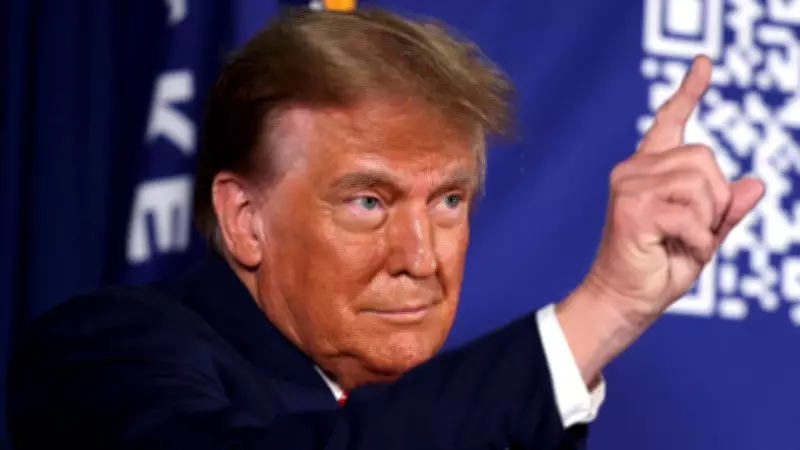
This accounting strategy carries significant risk. If the expected refunds do not materialize due to policy changes or legal challenges, companies may have to write down these assets in future quarters. Trump has already criticized the move, calling it a "scam" and threatening to block any refunds. Trade experts warn that the administration could retroactively change tariff rules to prevent payouts.
- Political backlash: Trump and his allies view the refunds as corporate giveaways, potentially leading to new trade restrictions.
- Regulatory uncertainty: The U.S. Trade Representative and Customs and Border Protection have not confirmed the refund process.
- Financial exposure: If denied, automakers would face earnings restatements and investor lawsuits.
Broader Industry Impact
The trend extends beyond the Big Three and European automakers. Toyota, Honda, and Hyundai have also booked smaller refunds, though they declined to disclose amounts. Analysts estimate the total could reach $3.5 billion if all pending claims are approved. However, the political climate remains hostile, with Trump using the issue to rally his base ahead of the midterm elections.
Investors have largely ignored the risk, driving up auto stocks after the earnings reports. But some analysts caution that the refunds are a one-time boost that masks underlying challenges, including rising material costs and slowing EV demand.
For now, automakers are gambling that the tariff refunds will come through. If they lose that bet, the consequences could be severe—both for their balance sheets and their relationship with Washington.