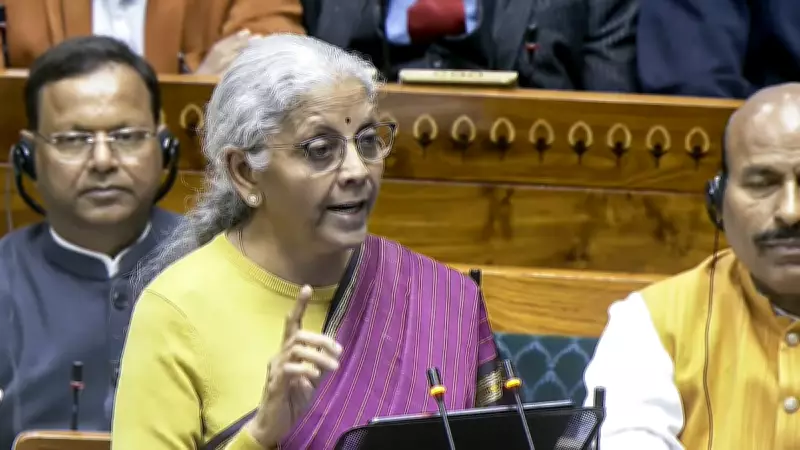
Union Budget 2026 Proposes Corporate Tax Overhaul with MAT Rate Reduction
The Union Budget for the fiscal year 2026-27, presented in Parliament, has introduced significant changes to the corporate tax structure, with a focus on simplifying compliance and boosting economic growth. One of the key announcements is the reduction in the rate of Minimum Alternate Tax for companies, a move designed to encourage businesses to transition towards the new tax regime.
Key Changes in Corporate Taxation
The budget proposes to lower the MAT rate from its current level, although the exact new rate has not been specified in initial reports. This reduction is part of a broader strategy to make the new tax regime more attractive for corporations. The new regime, which offers lower headline tax rates but with fewer exemptions and deductions, aims to streamline tax processes and reduce litigation.
By cutting the MAT rate, the government seeks to address concerns that companies might otherwise stick to the old regime to avoid MAT liabilities. This adjustment is expected to drive a significant shift, as businesses can now benefit from lower effective tax rates under the new system without the burden of high MAT payments.

Implications for Businesses and the Economy
The reduction in MAT is likely to have several positive impacts. Firstly, it will enhance the competitiveness of Indian companies by lowering their overall tax burden, potentially freeing up capital for investment and expansion. This could stimulate economic activity and job creation in key sectors.
Secondly, the move aligns with the government's ongoing efforts to simplify the tax framework. By incentivizing adoption of the new regime, it may lead to reduced compliance costs and fewer disputes with tax authorities. Businesses, especially small and medium enterprises, might find it easier to navigate tax obligations, fostering a more conducive environment for growth.
However, companies will need to carefully evaluate their tax strategies. While the new regime offers lower rates, it requires forgoing certain deductions available under the old system. The MAT rate cut makes this trade-off more favorable, but firms should assess their specific financial situations to determine the optimal approach.
Broader Budget Context and Future Outlook
This corporate tax change is part of a larger budget package aimed at sustaining India's economic momentum. Other measures may include incentives for manufacturing, digital infrastructure development, and support for startups, though details are still emerging. The focus on tax simplification reflects a commitment to improving ease of doing business and attracting foreign investment.
Looking ahead, the success of this initiative will depend on how quickly companies adapt to the new regime. The government may provide further clarifications and guidelines to ensure a smooth transition. Stakeholders, including industry bodies and tax experts, are expected to welcome the MAT reduction as a step towards a more efficient and transparent tax system.
In summary, Budget 2026's proposal to reduce the MAT rate marks a strategic effort to drive corporate tax reform. By making the new regime more appealing, it aims to balance revenue considerations with the need for a business-friendly tax environment, potentially setting the stage for enhanced economic resilience in the coming years.