

Once a Growth Engine, Bengaluru Now Challenges QSR Chains
Bengaluru, previously considered a reliable growth market for quick-service restaurant (QSR) chains, has transformed into a significant challenge for industry giants. Major players including Domino's, McDonald's, and Barbeque Nation are reporting slowing growth or declining sales in the southern metropolis, marking a dramatic shift from the city's former status as a solid expansion driver.
Major Chains Feel the Pressure
Jubilant FoodWorks, operating India's largest QSR chain Domino's, identified Bengaluru as one of its slowest-growing key metropolitan areas over the past year. Despite aggressive value-based offers and digital marketing initiatives, Domino's same-store sales have remained muted in the city. The company has moderated store additions, prioritizing consolidation and smaller-format outlets instead.
Sameer Khetarpal, CEO of Jubilant FoodWorks, stated during the September-quarter earnings call that "sentiment is low in highly dense IT-services zones like Bengaluru and Hyderabad", noting these regions have shown weaker growth compared to other markets.

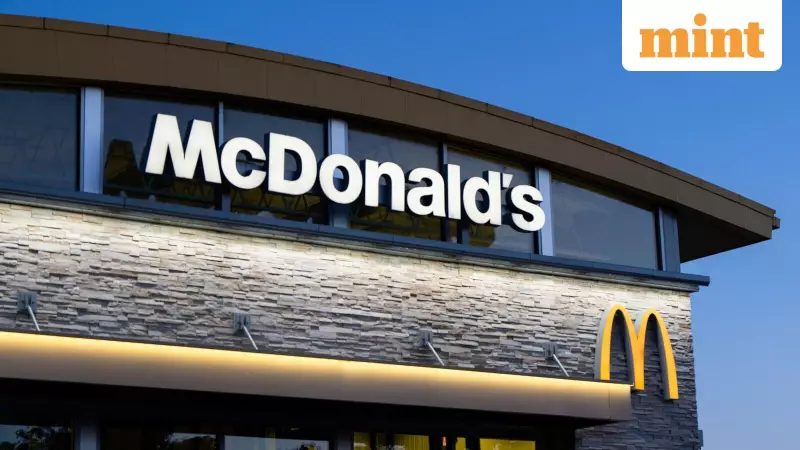
Westlife Foodworld, which operates McDonald's restaurants in the region, pointed to Bengaluru—its second-largest market in South India—as a significant growth obstacle. Saurabh Kalra, Managing Director of the company, revealed that Bengaluru has been "the biggest drag on the system", with the city hosting 65 to 70 McDonald's restaurants experiencing pressure on both delivery and dine-in traffic.
Barbeque Nation reported a 4% decline in same-store sales in Bengaluru during July-September, contrasting with 5% growth at its premium dining outlets. The company operates 35 outlets across its mass-market Barbeque Nation and premium casual dining segments in the city.
Changing Consumer Preferences Reshape Market
Analysts identify shifting consumer behavior as a primary driver behind the QSR slowdown. Bengaluru's tech-savvy, discerning customer base is increasingly opting for premium dining experiences over traditional value-focused QSR offerings.
Sandeep Tirukoti, Associate Vice President at Avalon Consulting, explained that "the younger generation is increasingly choosing local bistros, artisanal cafés and Asian fast casual formats." This fragmentation means customers who previously visited QSR chains regularly are now distributing their dining budget across multiple specialty establishments.
The success of local eateries supports this trend. AB Gupta, co-founder of Bengaluru-based Paris Panini, The Pizza Bakery, and Smash Guys, reported that the September quarter was their best in recent years, with expansion across the city driven by frequent customer visits across age groups and significant growth in online orders.
Economic Pressures Intensify Challenges
Beyond changing tastes, economic factors are squeezing QSR operations. Bengaluru's steep real estate costs have severely impacted unit economics, with rentals in premium locations like Indiranagar increasing by over 30% year-on-year.
Tirukoti highlighted that once rent consumes 20-25% of a store's revenue, operating profitably becomes extremely difficult, even for established chains.
The rise of cloud kitchens and specialized cafés has further fragmented the market. Sagar Daryani, CEO of Wow! Momo, described Bengaluru's market as "flooded" with both established and startup cloud kitchens, while Avalon's Tirukoti noted that specialty coffee chains like Third Wave Coffee now operate over 40 outlets in the city, often in locations previously dominated by QSRs.
Hybrid working patterns have altered weekday demand around technology corridors, with tech workers opting for economical weekday meals and reserving discretionary spending for premium weekend dining experiences.
Strategic Shifts for Market Recovery
QSR chains are implementing various strategies to counter the slowdown. Wow! Momo has increased in-app discounts in Bengaluru and is focusing on enhancing dine-in experiences. Westlife Foodworld has experimented with menu innovations and operational improvements in technology parks, though with mixed results.

Analysts suggest structural changes are necessary for sustained recovery. Tirukoti recommends treating high-street locations as brand showcases rather than volume drivers, with real throughput coming from smaller, delivery-friendly units in residential clusters with more stable rent structures.
Despite current challenges, Bengaluru remains a crucial market for QSR chains in South India. Arvind Singhal, MD of The Knowledge Company, emphasized that "Bengaluru is still a key hub for QSRs in South India", though chains must continuously innovate to overcome the twin challenges of high space costs and evolving consumer expectations.
The city's transformation from growth engine to challenging market signals a broader shift in India's urban consumption patterns, requiring QSR operators to adapt their strategies for sustained success in increasingly sophisticated metropolitan markets.





