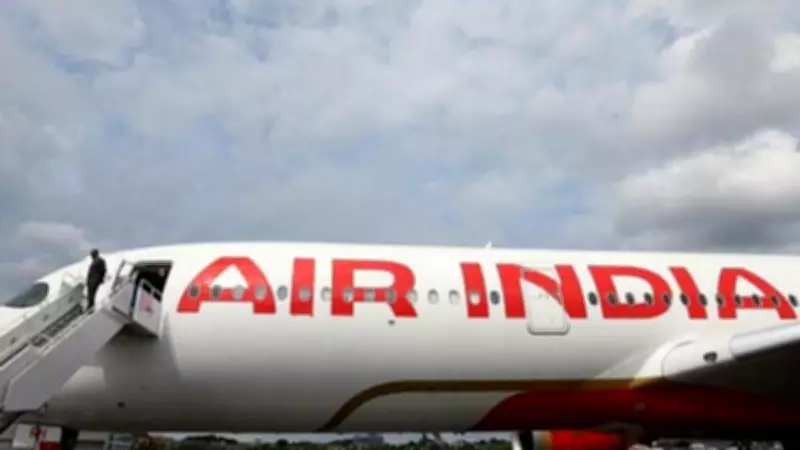
Air India Revises Fuel Surcharge Amid Energy Crisis, Ticket Fares Set to Rise
In a significant move impacting domestic air travel, Air India has announced a revision to its fuel surcharge policy, effective from April 8, 2026. This adjustment comes in response to the ongoing global energy crisis and follows a recent government notification that caps the price hike for Aviation Turbine Fuel (ATF) at 25% on domestic routes in India.
Background on the Fuel Surcharge Change
The decision by Air India to modify its fuel surcharge approach is directly linked to the government's intervention to stabilize ATF prices. With the cap set at a 25% increase, airlines are facing heightened operational costs, prompting Air India to reassess its pricing strategies. This revision is expected to lead to a rise in ticket fares for passengers traveling within India, as the airline seeks to offset the financial pressures caused by volatile fuel markets.
Impact on Domestic Aviation
The change in fuel surcharge is poised to affect all domestic routes operated by Air India. Key points include:

- Effective Date: The new surcharge policy will be implemented starting April 8, 2026.
- Reason for Revision: The adjustment is a direct consequence of the government's cap on ATF price hikes, which limits increases to 25%, amid broader energy supply challenges.
- Expected Outcome: Passengers can anticipate higher ticket fares as Air India incorporates the revised surcharge into its pricing structure to manage rising fuel expenses.
This move highlights the broader implications of the energy crisis on the aviation industry, where fuel costs constitute a major component of operational budgets. Air India's proactive step aims to ensure financial sustainability while navigating the constrained pricing environment imposed by regulatory measures.
Industry Context and Future Outlook
The aviation sector in India has been grappling with fluctuating fuel prices, exacerbated by global geopolitical tensions and supply chain disruptions. The government's decision to cap ATF hikes at 25% is intended to provide some relief to consumers, but it also forces airlines like Air India to adapt their business models. As other carriers may follow suit, the overall cost of domestic air travel could see a upward trend in the coming months.
In summary, Air India's revision of its fuel surcharge from April 8, 2026, underscores the intricate balance between regulatory interventions and market dynamics in the face of an energy crisis. Travelers should prepare for adjusted fare structures as the airline implements these changes to mitigate the impact of capped fuel price increases on its operations.