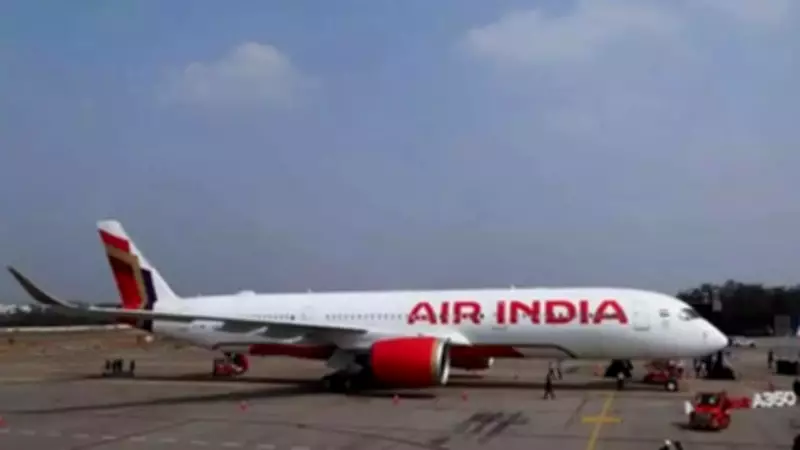
Air India Group Announces Significant Fuel Surcharge Increases
In response to the dramatic escalation of global oil prices, the Air India group has announced a comprehensive new fuel surcharge structure that will significantly increase air travel costs for passengers. The airline confirmed that from March 12, domestic flights and routes to SAARC countries will carry a new fuel surcharge of Rs 399, while West Asia flights will see a $10 surcharge implementation.
International Routes Face Steep Increases
The existing fuel surcharge on international flights to other destinations will rise substantially, with increases of up to $50 bringing the total range to $60-200. Air India Express, which previously did not maintain a separate fuel surcharge, will now implement this pricing structure alongside its parent company.
Industry analysts anticipate that other Indian carriers will follow suit with similar surcharges, as simultaneous implementation helps avoid potential cartelization charges. Foreign airlines have already increased fares, particularly on international routes where prices have reached unprecedented levels following geopolitical tensions in the Middle East.

Three-Phase Implementation Schedule
- Phase One (March 12): All new bookings from 12:01 AM will include Rs 399 surcharges for domestic and SAARC flights (previously nil) and $10 for West Asia flights (previously nil). Southeast Asia routes will see increases from $40 to $60, while Africa routes will jump from $60 to $90.
- Phase Two (March 18): From 12:01 AM, Europe flights will experience fuel surcharge increases from $100 to $125, while North America and Australia routes will rise from $150 to $200.
- Phase Three (To Be Announced): The airline will later disclose implementation dates and amounts for Hong Kong, Japan, and South Korea routes.
Important exemption: Tickets already issued before these implementation dates will not attract the new surcharges unless passengers request date or itinerary changes that necessitate fare recalculations.
Aviation Fuel Costs Reach Critical Levels
In an official statement, Air India explained that aviation turbine fuel (ATF), which constitutes approximately 40% of airline operating costs, has experienced significant price escalation since early March 2026 due to supply interruptions. The situation is particularly challenging in India, where high excise duties and VAT on ATF in major metropolitan areas like Delhi and Mumbai create additional financial pressure on airline operations.
The airline expressed regret about the surcharge implementation but emphasized that without these measures, certain flights would become economically unviable and would require cancellation. "The substantial strain on airline operating economics has reached a critical point where operational sustainability requires these adjustments," the statement noted.
Broader Industry Challenges
Indian airlines have persistently sought fiscal relief regarding excise and GST on aviation fuel for years without success. The current perfect storm of skyrocketing oil prices, the rupee's depreciation to new lows, longer flight routes due to airspace restrictions, and operational schedule uncertainties has created unsustainable cost pressures across the aviation sector.
While Indian carriers with substantial international bookings and foreign currency sales previously enjoyed some insulation from rupee volatility, the combination of elevated oil prices, extended flight paths, and continued absence of government fiscal support on excise or GST means passengers must now bear significantly higher travel costs.
The aviation industry faces mounting challenges as geopolitical tensions, supply chain disruptions, and domestic taxation policies converge to create one of the most difficult operating environments in recent memory. Passengers planning both domestic and international travel should anticipate these additional costs when budgeting for upcoming journeys.