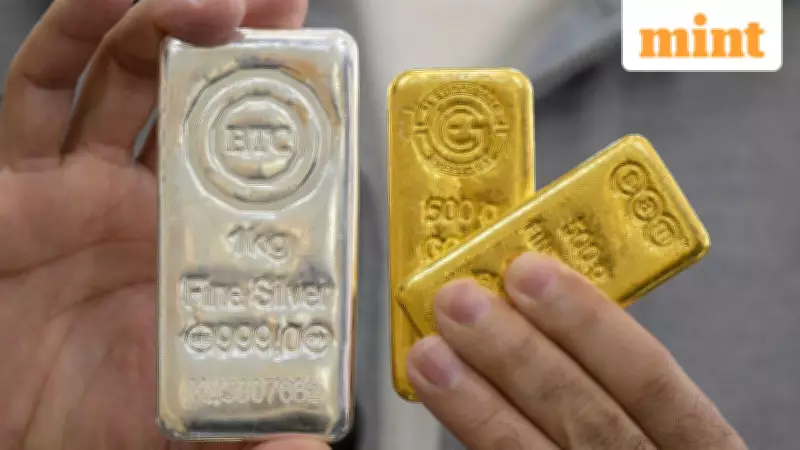
Silver's Meteoric 171% Rise Overshadows Gold, But Volatility Rings Alarm Bells
In a stunning display of market dynamics, silver has dramatically outperformed gold over the past year, posting gains of 171% compared to gold's respectable 73% increase. This remarkable surge, however, has been tempered by significant volatility, with prices experiencing sharp pullbacks in recent trading sessions. The precious metals market is now at a critical juncture, with investors closely watching the gold-silver ratio for clues about future direction.
Recent Price Corrections Signal Market Nervousness
The precious metals rally hit a speed bump as trading concluded on January 30, with silver experiencing a dramatic 27% decline to trade around $84 per ounce. Gold followed suit with a 9% tumble, settling at approximately $4,865. Market analysts attribute this sudden reversal to investor anxiety following US President Donald Trump's nomination of Kevin Warsh as chair of the US Federal Reserve, a move that injected uncertainty into global financial markets.
The Volatility Factor: Silver's Double-Edged Sword
According to comprehensive data analysis, silver's spectacular gains have come with substantial volatility, measured at 36% annualized volatility. This figure represents nearly double the 20% volatility experienced by gold during the same period. This heightened volatility underscores a fundamental truth in precious metals investing: assets that rise rapidly can fall just as quickly, presenting both opportunity and risk for market participants.

Understanding the Critical Gold-Silver Ratio
The gold-silver ratio, calculated by dividing the price of one ounce of gold by the price of one ounce of silver, serves as a crucial indicator of relative value between these two precious metals. This ratio indicates how many ounces of silver are required to purchase one ounce of gold, providing investors with valuable insights into market conditions and potential investment opportunities.
When the ratio reaches elevated levels, it typically suggests that gold may be overvalued relative to silver. Conversely, a low ratio often indicates that silver has become relatively expensive compared to gold. During periods of market turbulence, this ratio becomes particularly valuable for guiding investment decisions about which metal might offer superior value.
Current Ratio Levels Raise Concerns
The gold-silver ratio recently dipped to concerning levels, hitting 46 on Thursday before rebounding to 57 amid silver's sharp price reversal. Market experts have consistently warned that a ratio below 50 signals that silver is no longer trading at bargain prices. This development becomes particularly significant when considering that the current ratio remains substantially below the 10-year average of approximately 80:1.
A detailed report from WhiteOak Capital Mutual Fund highlights the implications of this ratio compression: "When it drops below 50:1, silver is no longer cheap. In previous market cycles, ratios at these levels have typically preceded mean reversion where silver prices corrected significantly faster relative to gold." This pattern manifested clearly during Friday's trading session, validating historical trends.
Expert Perspectives on Market Dynamics
Harshal Dasani, Business Head at INVasset PMS, provides valuable context for understanding current market conditions. He notes that sub-50 levels in the gold-silver ratio typically occur only during periods of exceptional silver outperformance, such as witnessed in 2011. While this compression doesn't necessarily indicate that silver has become "expensive" in absolute terms, it does suggest that much of the relative re-rating has already materialized.
Dasani further cautions that silver's higher volatility means that once the ratio compresses to these levels, incremental returns tend to become more uneven and drawdowns sharper. This creates a challenging environment for investors seeking consistent returns from precious metals allocations.

Interpreting the Macroeconomic Signals
When precious metals like gold and silver begin their ascent, they often signal underlying macroeconomic concerns. According to WhiteOak Capital's analysis, when gold "talks," it primarily indicates geopolitical tensions, systemic risks within or outside major global economies, and potential currency devaluation resulting from these risks.
However, the report sounds a more urgent warning about silver's behavior: "When silver begins to 'scream,' outperforming gold with high velocity or parabolic moves, it often signals the final, speculative stage of a market run—one that historically ends against investors' best interests." This cautionary note highlights the need for careful portfolio management during such market phases.
Strategic Investment Considerations
For investors navigating this complex landscape, Dasani emphasizes portfolio discipline over binary calls on specific metals. From an asset-allocation perspective, he suggests that trimming some silver exposure and reallocating portions to gold could help stabilize portfolios, particularly since gold typically performs better during risk-off or consolidation phases.
"The broader precious metals theme remains intact," Dasani observes, "but the risk-reward balance has shifted, calling for careful calibration rather than aggressive positioning." This measured approach recognizes both the continued potential of precious metals while acknowledging the increased risks in current market conditions.
Forward-Looking Projections and Warnings
Amit Goel of Pace 360 offers a particularly cautious outlook for silver, predicting continued price weakness with a target of $50 per ounce (approximately ₹2 lakh) by June 2026. This projection suggests that investors should prepare for potential further corrections in the silver market despite its impressive recent performance.
Important Disclaimer: This analysis serves educational purposes only. The views and recommendations expressed represent those of individual analysts or broking firms, not Mint. Investors are strongly advised to consult with certified financial experts before making any investment decisions regarding precious metals or other financial instruments.