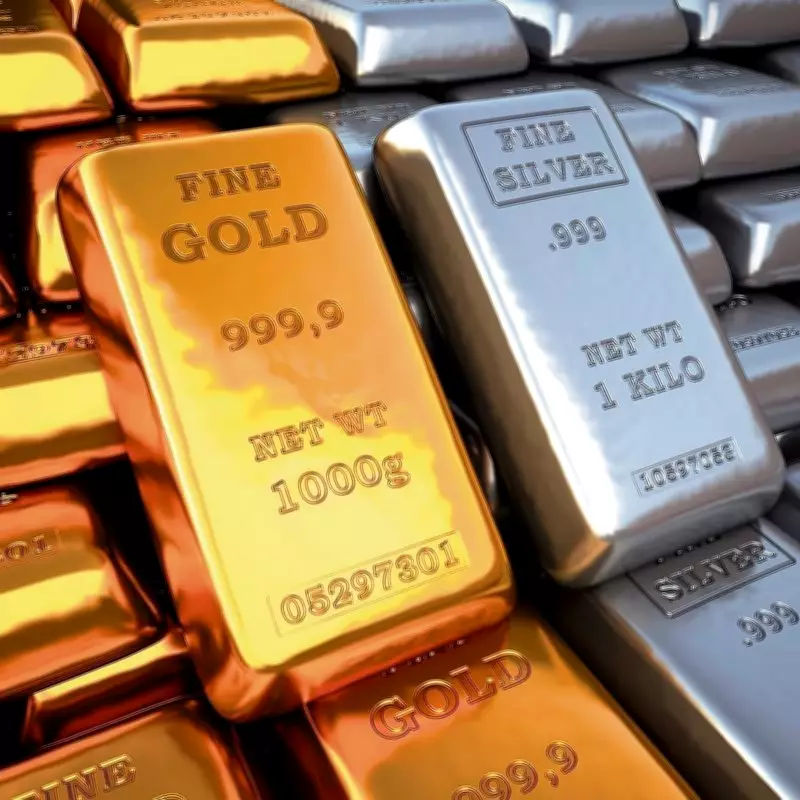
Silver Prices Tumble Rs 7,500 per kg, Gold Gains Rs 2,200 in Volatile Market Session
In a notable shift within the precious metals market, silver prices experienced a sharp decline, dropping by Rs 7,500 to settle at Rs 2.64 lakh per kilogram. Concurrently, gold prices moved in the opposite direction, registering a gain of Rs 2,200, highlighting contrasting trends in commodity valuations.
Detailed Analysis of Silver's Significant Drop
The substantial fall in silver prices, amounting to Rs 7,500 per kg, brings the metal's value down to Rs 2.64 lakh. This decline reflects broader market dynamics, potentially influenced by factors such as reduced industrial demand, fluctuations in global supply chains, or shifts in investor sentiment towards riskier assets. Silver, often more volatile than gold due to its dual role as both a precious metal and an industrial commodity, can be sensitive to economic indicators and geopolitical events.
Gold's Modest Rise Amid Market Uncertainty
In contrast to silver's downturn, gold prices increased by Rs 2,200, showcasing its status as a traditional safe-haven asset during periods of market volatility. This rise may be attributed to increased demand from investors seeking stability, central bank policies affecting currency values, or seasonal factors driving jewelry purchases. Gold's performance often serves as a barometer for economic confidence, and its upward movement in this session suggests a cautious outlook among market participants.

Factors Driving the Divergent Price Movements
The opposing trends in silver and gold prices underscore the complex interplay of market forces. Key factors contributing to this divergence include:
- Industrial Demand: Silver's extensive use in electronics and renewable energy sectors can lead to price swings based on manufacturing activity.
- Investment Flows: Gold often benefits from flight-to-safety movements, while silver may see more speculative trading.
- Global Economic Conditions: Inflation rates, interest rate decisions, and currency fluctuations impact both metals differently.
- Supply Dynamics: Mining outputs and recycling rates for silver and gold vary, affecting their availability and pricing.
This session's price changes highlight the importance of monitoring multiple indicators when assessing precious metals markets, as they can react uniquely to the same economic stimuli.
Market Implications and Future Outlook
The sharp drop in silver prices and the rise in gold could signal shifting investor priorities, with potential implications for portfolios and hedging strategies. Analysts suggest that such volatility may persist in the near term, driven by ongoing global economic uncertainties and commodity-specific developments. Stakeholders, including investors, jewelers, and industrial users, are advised to stay informed on market trends to navigate these fluctuations effectively.
Overall, this market movement serves as a reminder of the dynamic nature of commodity trading, where prices can shift rapidly based on a confluence of domestic and international factors.