

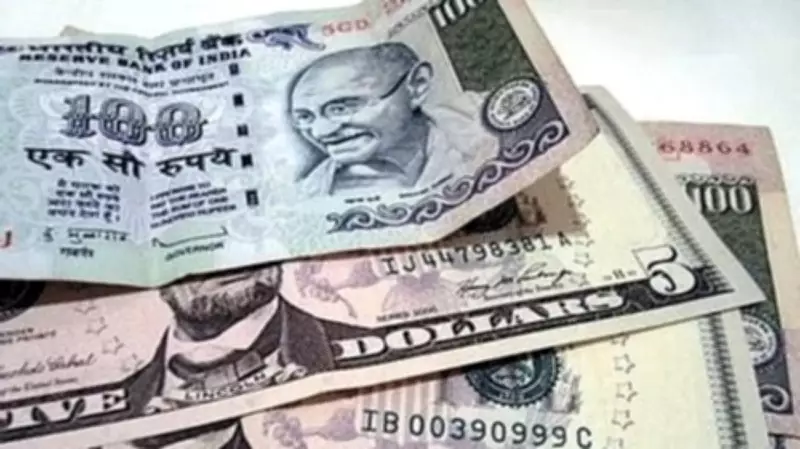
Indian Rupee Tumbles to Unprecedented Low Against US Dollar
The Indian rupee experienced a significant downturn on Thursday, plummeting to an all-time low during intraday trading before settling at a historic closing level of 94.70 against the US dollar. This sharp decline marks a concerning milestone for the currency, reflecting mounting pressures in the global financial landscape and robust demand for the American currency.
Intraday Volatility and Closing Figures
During the trading session, the rupee breached previous records, hitting a low of 94.70 against the dollar, a level not seen before in its history. The currency managed to close at this same figure, underscoring the persistent weakness throughout the day. Market analysts noted that the rupee's performance was influenced by a combination of domestic and international factors, including heightened dollar buying by importers and foreign institutional investors.
Key Drivers Behind the Depreciation
Global Economic Headwinds: The rupee's slide is partly attributed to broader global economic uncertainties, such as rising interest rates in the United States and geopolitical tensions, which have bolstered the dollar's appeal as a safe-haven asset. This has led to increased capital outflows from emerging markets like India, putting downward pressure on the rupee.

Domestic Market Dynamics: Within India, strong demand for dollars from oil importers and other corporates has exacerbated the currency's decline. Additionally, concerns over inflation and the country's trade deficit have contributed to the bearish sentiment, with investors closely monitoring the Reserve Bank of India's potential interventions to stabilize the forex market.
Implications for the Indian Economy
The rupee's depreciation carries several implications for the Indian economy:
- Increased Import Costs: A weaker rupee makes imports more expensive, potentially fueling inflation and affecting sectors reliant on foreign goods, such as electronics and crude oil.
- Export Competitiveness: On the positive side, a depreciated rupee could boost exports by making Indian products cheaper in international markets, though this benefit may be offset by global demand slowdowns.
- Foreign Investment Flows: The currency's volatility might deter foreign investors, impacting capital inflows and stock market performance, which could further strain economic growth prospects.
Market Reactions and Future Outlook
Financial markets reacted with caution to the rupee's record low, with equity indices showing mixed trends as investors weighed the currency's impact on corporate earnings and economic stability. Experts suggest that the rupee's trajectory will depend on upcoming economic data, central bank policies, and global developments. If the dollar continues to strengthen, the rupee might face additional pressure, necessitating strategic measures from authorities to manage volatility and support economic resilience.
In summary, the rupee's fall to 94.70 against the dollar highlights the challenges posed by global financial shifts and domestic demand factors. Stakeholders are advised to monitor forex trends closely, as further fluctuations could influence investment decisions and economic planning in the coming months.






