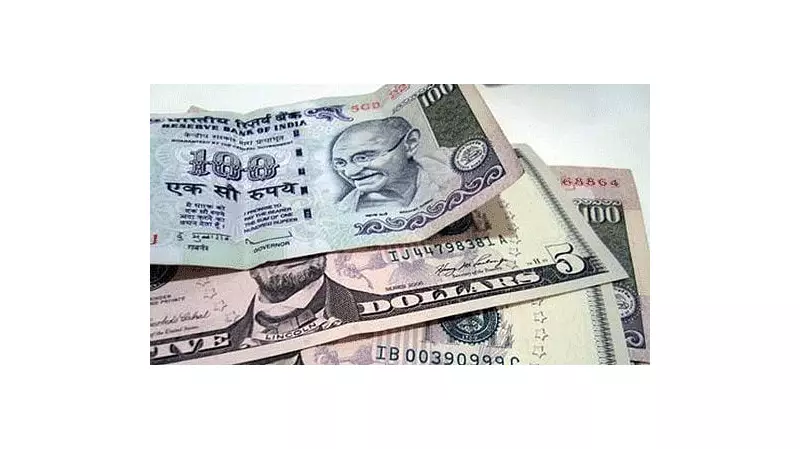
The Indian rupee experienced a significant decline in value on Thursday, dropping by 61 paise to close at 91.57 against the US dollar. This sharp depreciation marks a notable shift in the currency market, as the rupee breached the critical 91.50 per USD level, reflecting heightened pressure from various economic factors.
Key Factors Behind the Rupee's Decline
Forex traders and analysts attribute the rupee's slump to a combination of domestic and international influences. The primary driver was robust demand for the US dollar from importers and banks, which intensified selling pressure on the Indian currency. Additionally, the strengthening of the dollar index in global markets contributed to the rupee's weakness, as investors sought safe-haven assets amid ongoing economic uncertainties.
Market Dynamics and Trading Patterns
During the trading session, the rupee opened lower at 91.20 against the dollar and continued to lose ground throughout the day. It touched an intraday low of 91.60 before settling at 91.57, indicating sustained bearish sentiment. The fall of 61 paise represents one of the more pronounced single-day declines in recent weeks, highlighting the volatility in the forex market.

Impact of Global Economic Conditions
Global economic conditions played a crucial role in the rupee's performance. Concerns over inflation, geopolitical tensions, and shifts in monetary policies by major central banks have created a risk-averse environment. This has led to capital outflows from emerging markets like India, further exacerbating the rupee's depreciation against the dollar.
Broader Implications for the Indian Economy
The rupee's fall past the 91.50/USD level has several implications for the Indian economy. A weaker rupee can increase the cost of imports, potentially fueling inflation and affecting sectors reliant on foreign goods. However, it may also benefit exporters by making Indian products more competitive in international markets. Policymakers and investors are closely monitoring these developments to assess their impact on trade balances and economic growth.
Expert Insights and Future Outlook
Financial experts suggest that the rupee's trajectory will depend on upcoming economic data, domestic policy measures, and global market trends. While short-term volatility is expected, long-term stability could be influenced by factors such as foreign investment flows, oil prices, and the Reserve Bank of India's interventions in the forex market. Traders are advised to stay vigilant and adapt to changing market conditions.
In summary, the rupee's 61-paise slump to 91.57 against the dollar underscores the challenges faced by the Indian currency in a complex global landscape. As markets navigate these uncertainties, stakeholders will be watching for signs of recovery or further pressure in the days ahead.