

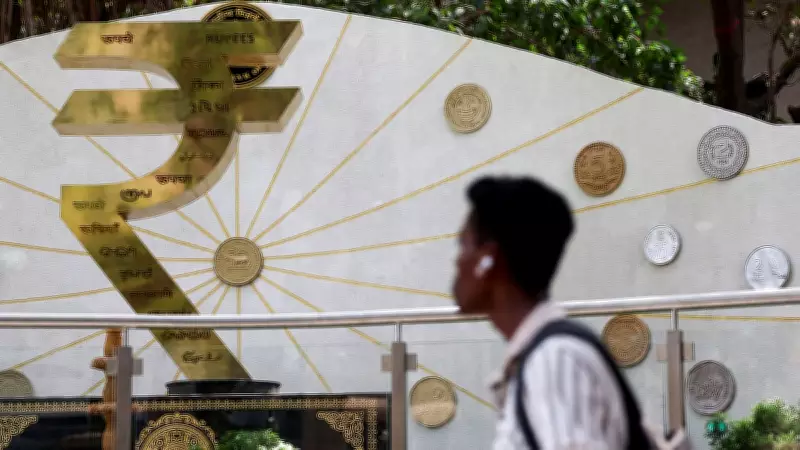
Indian Rupee Declines 19 Paise to Settle at 93.10 Against US Dollar
The Indian rupee experienced a notable decline, falling by 19 paise to close at 93.10 against the US dollar in recent trading sessions. This depreciation reflects ongoing pressures in the foreign exchange market, influenced by global geopolitical developments.
Geopolitical Tensions Impact Currency Markets
Forex traders have highlighted that the local currency remained under significant pressure due to a fresh standoff between the United States and Iran. This escalation led to the closure of the Strait of Hormuz, a critical maritime chokepoint for global oil shipments. The disruption in this vital supply route has caused widespread concerns about global supply chains, particularly affecting energy markets and contributing to volatility in currency valuations.
The Strait of Hormuz is a key passage for a substantial portion of the world's oil exports, and its closure has immediate repercussions on international trade flows. This event has heightened risk aversion among investors, leading to increased demand for safe-haven assets like the US dollar, thereby exerting downward pressure on emerging market currencies, including the Indian rupee.

Market Reactions and Broader Implications
In response to these developments, market participants have observed a shift in trading patterns, with the rupee facing headwinds amid the uncertain geopolitical landscape. The depreciation of 19 paise underscores the sensitivity of the Indian currency to external shocks and global economic events. Analysts note that such incidents can lead to short-term fluctuations, but the long-term trajectory will depend on domestic economic indicators and further international developments.
Key factors influencing the rupee's performance include:
- Geopolitical risks from the US-Iran standoff, which have escalated tensions in the Middle East.
- Disruptions in global supply chains due to the closure of the Strait of Hormuz, affecting trade and commodity prices.
- Increased investor caution, leading to a flight to safety and stronger demand for the US dollar.
- Potential impacts on India's import costs, particularly for oil, which could influence inflation and economic stability.
As the situation evolves, stakeholders in the forex market are closely monitoring updates from the region and policy responses from central banks. The Reserve Bank of India may intervene to stabilize the currency if volatility persists, but for now, the focus remains on external factors driving the rupee's movement.
This development serves as a reminder of the interconnected nature of global economies and the importance of geopolitical stability for currency markets. Investors and traders are advised to stay informed about ongoing events and their potential effects on financial instruments.






