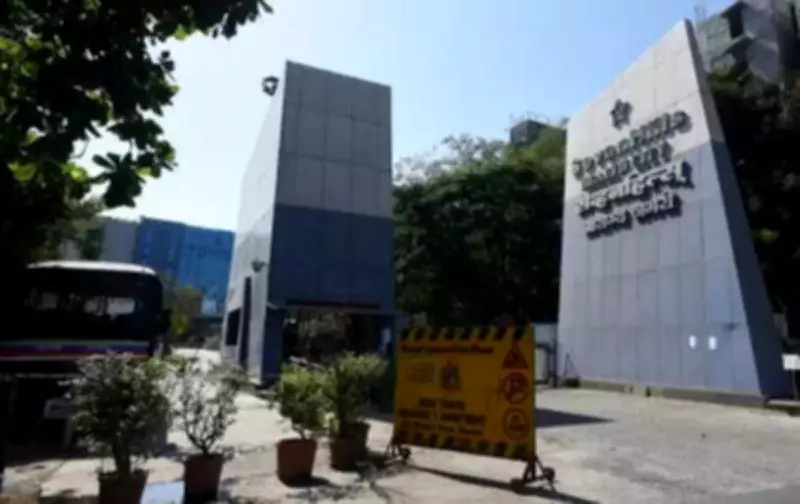
In a significant development for Mumbai's healthcare landscape, Reliance Industries is poised to acquire the city's largest private hospital, Seven Hills Hospital, which was inaugurated over fifteen years ago. This acquisition marks a pivotal moment for the 1,500-bed facility, which has been embroiled in controversies for much of its existence, struggling with operational challenges and legal disputes.
NCLT Approval and Financial Resolution
The National Company Law Tribunal (NCLT) recently granted approval to a comprehensive plan submitted by the Reliance Group in collaboration with Capri Global Holdings. This plan aims to resolve the hospital's protracted insolvency process, which has spanned eight years and involved claims exceeding Rs 1,000 crore. According to informed officials, this deal brings much-needed closure to a complex financial saga that has lingered since the hospital's initial troubles began.
Financial Details and Stakeholder Impact
As per the approved resolution, creditors are set to receive Rs 449 crore, while employees and other claimants will be allocated Rs 6 crore. BMC Commissioner Bhushan Gagrani highlighted the civic body's stance, stating that they had requested Rs 223 crore to settle all pending dues. This financial restructuring is expected to alleviate the long-standing debts that have plagued the institution.

Strategic Partnership and Future Plans
Under the new ownership, Reliance Group—which already operates H N Reliance Hospital in Girgaum—and Capri Global Holdings will provide essential equity support to revitalize the hospital. Knowledgeable sources reveal that at least 60% of the beds will be reserved for economically disadvantaged patients, underscoring a commitment to accessible healthcare. Additionally, there are ambitious plans to establish a medical college, potentially enhancing medical education in the region.
Infrastructure Challenges and Reopening Timeline
However, the path to revival is not without hurdles. The Seven Hills Hospital building reportedly requires extensive repairs, and it may take up to two years to reopen in a transformed state. Despite being constructed to accommodate 1,500 beds, the hospital has historically operated with fewer than 300 beds due to various issues. Post-renovation, it is projected to house approximately 1,200 beds, still making it the largest private hospital in Mumbai, as most others currently have fewer than 900 beds.
Historical Context and Past Controversies
Seven Hills Hospital was established in July 2010 on land owned by the Brihanmumbai Municipal Corporation (BMC) in Marol, Andheri, through a public-private partnership with Dr. Jitendra Das Maganti of Seven Hills Healthcare. The hospital gained brief fame in 2011 when it hosted the birth of the daughter of Bollywood stars Aishwarya Rai and Abhishek Bachchan. Yet, its history has been marred by disputes, particularly over bed-sharing arrangements for BMC's economically needy patients, which escalated over time.
In 2018, the BMC sealed the hospital due to unpaid property tax dues, further compounding its troubles. During the COVID-19 pandemic, the BMC temporarily reopened a portion of the facility to manage patient overflow, and it has since functioned as a civic public health center for various outbreaks, demonstrating its critical role in Mumbai's healthcare infrastructure.
Future Specializations and Location Advantages
Given its proximity to Mumbai airport and the presence of a helipad, there are strategic plans to focus on trauma specialty services, leveraging its location for emergency medical responses. This could position Seven Hills Hospital as a key player in handling critical cases in the bustling metropolitan area.
Overall, this acquisition by Reliance Industries represents a fresh start for Seven Hills Hospital, aiming to transform it from a symbol of controversy into a beacon of healthcare excellence, with a strong emphasis on serving the underprivileged and expanding medical capabilities in Mumbai.