

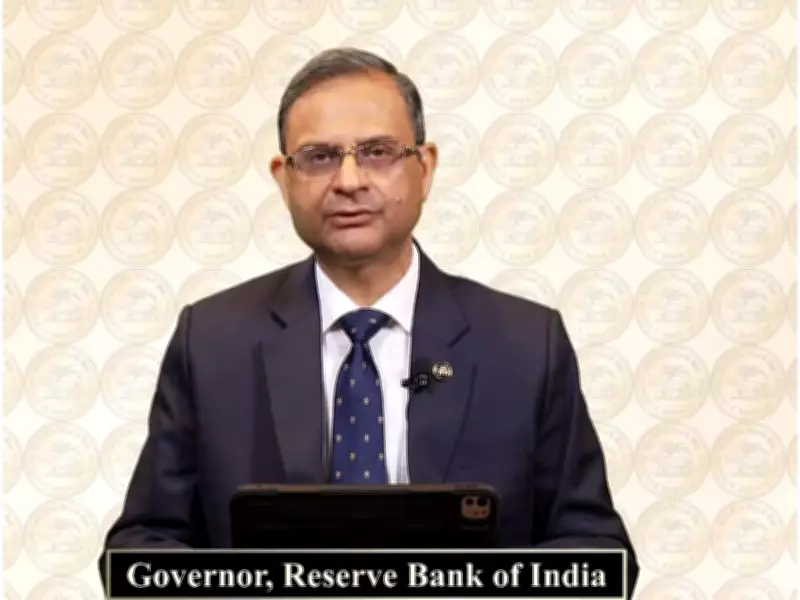
In a significant statement addressing India's foreign exchange management strategy, Reserve Bank of India (RBI) Governor Shaktikanta Das has clarified that the central bank's interventions in the currency market are aimed solely at curbing excessive volatility, not at targeting a specific level for the rupee. This announcement comes amid ongoing global economic uncertainties and fluctuating currency markets, highlighting the RBI's commitment to maintaining stability without manipulating exchange rates.
Focus on Market Stability Over Specific Targets
Governor Das emphasized that the RBI's primary objective in intervening in the forex market is to prevent sharp and disruptive swings in the rupee's value. He noted that such volatility can have adverse effects on trade, investment, and overall economic confidence. By stepping in during periods of extreme fluctuations, the RBI aims to smooth out movements and ensure a more predictable environment for businesses and investors, rather than trying to peg the rupee at a particular rate against other currencies.
Global Context and Economic Implications
The statement was made against the backdrop of global economic challenges, including geopolitical tensions, inflationary pressures, and shifts in monetary policies by major central banks. Das pointed out that these factors contribute to heightened volatility in currency markets worldwide. India's approach, as outlined by the RBI, is to use its foreign exchange reserves judiciously to buffer against external shocks, thereby supporting the domestic economy without resorting to aggressive targeting that could lead to trade disputes or market distortions.

RBI's Strategy and Reserve Management
Governor Das detailed that the RBI maintains a robust reserve of foreign currencies, which it deploys strategically to manage liquidity and curb undue volatility. He assured that these interventions are transparent and data-driven, based on real-time market conditions rather than predetermined exchange rate goals. This approach aligns with international best practices and helps build trust in India's monetary policy framework, reinforcing the country's resilience in the face of global financial turbulence.
Impact on Trade and Investment Flows
By focusing on volatility reduction, the RBI's policy is designed to foster a stable exchange rate environment that benefits exporters and importers alike. Das highlighted that predictable currency movements reduce hedging costs and risks for businesses engaged in international trade, thereby encouraging cross-border investments and economic growth. This stance is particularly crucial as India seeks to enhance its global trade partnerships and attract foreign capital in a competitive landscape.
Future Outlook and Policy Continuity
Looking ahead, Governor Das indicated that the RBI will continue to monitor global and domestic developments closely, adjusting its intervention tactics as needed to maintain financial stability. He reiterated that the central bank remains committed to a flexible exchange rate regime, where market forces play a dominant role, with interventions reserved for exceptional circumstances. This balanced approach is expected to support India's economic recovery and long-term growth objectives, while safeguarding against external vulnerabilities.
In summary, the RBI's clear communication on forex intervention underscores its proactive role in managing currency risks without overstepping into rate targeting, thereby promoting a stable and conducive economic environment for India's progress.






