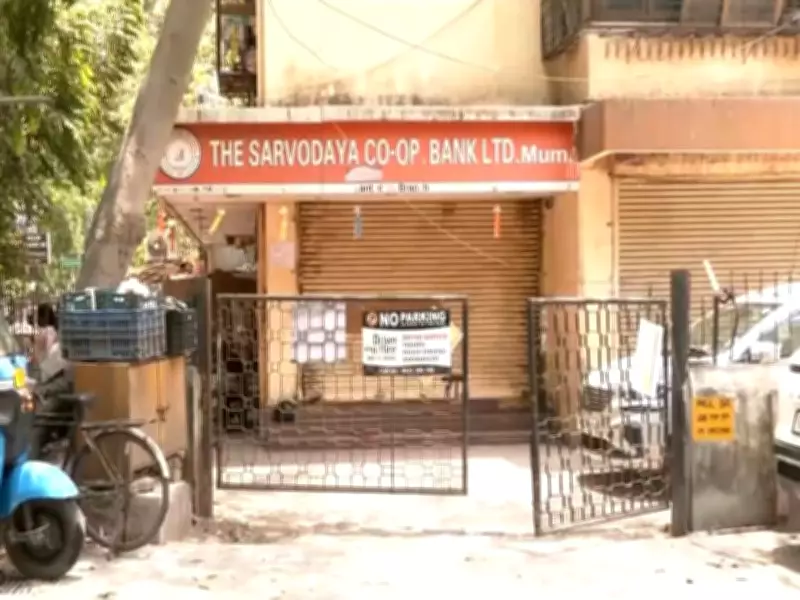
The Reserve Bank of India (RBI) has cancelled the licence of Sarvodaya Co-operative Bank Limited, headquartered in Mumbai, citing inadequate capital and financial concerns. The decision was taken under Section 56 of the Banking Regulation Act, 1949, read with Section 22 thereof.
Reasons for Licence Cancellation
The RBI found that the bank's financial health had deteriorated significantly. Its capital adequacy ratio fell to negative levels, and it failed to meet the minimum regulatory requirements. The bank also suffered from poor asset quality, with a high level of non-performing assets (NPAs). Additionally, the bank's management was unable to infuse fresh capital or revive its operations.
Impact on Depositors
With the licence cancellation, the bank ceases to carry on banking business, including acceptance of deposits and repayment of deposits. However, depositors are entitled to claim deposit insurance from the Deposit Insurance and Credit Guarantee Corporation (DICGC) up to a limit of Rs 5 lakh per depositor. The RBI has advised depositors to approach the DICGC for their claims.

Bank's Financial Status
As of the latest financial data, the bank's total deposits stood at Rs 1,234 crore, while its advances were Rs 987 crore. The bank reported a net loss of Rs 45 crore in the last fiscal year. The RBI's inspection revealed that the bank's financial condition was critical, with no realistic prospects of recovery.
Legal and Regulatory Actions
The RBI has also imposed a monetary penalty on the bank for non-compliance with regulatory directions. The bank's directors and management may face further action as per law. The cancellation order takes effect immediately, and the bank must cease operations forthwith.
This move by the RBI is part of its ongoing efforts to clean up the banking sector and protect depositors' interests. The central bank has been proactive in cancelling licences of weak banks, especially co-operative banks, to prevent systemic risks.
What Happens Next?
The bank will now be wound up, and the process of repaying depositors through DICGC will commence. The RBI has appointed a liquidator to oversee the process. Customers with loan accounts will need to continue servicing their loans as per the terms, and the liquidator will coordinate with borrowers.
In conclusion, the cancellation of Sarvodaya Co-operative Bank's licence underscores the importance of financial health and regulatory compliance for banks. Depositors are advised to remain calm and approach DICGC for their claims.