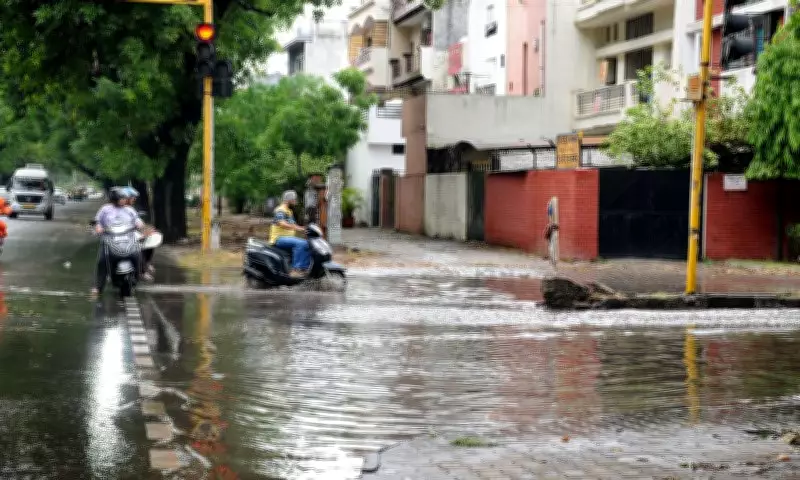
Recent rainfall across Punjab has brought a sharp decline in the state's power demand, providing temporary respite from the scorching heat and high electricity consumption. The power demand, which had been hovering around record levels due to an intense heatwave, dropped by nearly 2,000 MW within a day of the rains.
Immediate Impact on Power Grid
The Punjab State Power Corporation Limited (PSPCL) reported that the peak power demand fell to approximately 12,500 MW on Wednesday, down from over 14,500 MW earlier this week. This reduction eased the strain on the power grid, which had been under severe pressure due to the relentless use of air conditioners and coolers.
Reasons Behind the Drop
The sudden dip in demand is attributed to the cooling effect of the rains, which lowered temperatures by 5-6 degrees Celsius in most parts of the state. As a result, the need for artificial cooling decreased, leading to lower electricity consumption. Additionally, the rains also reduced the load from agricultural pumps, as farmers paused irrigation activities.

Officials noted that the demand is expected to remain subdued as long as the weather stays pleasant. However, they cautioned that once the heatwave returns, power consumption is likely to surge again.
Previous Power Crisis
Before the rains, Punjab was facing a severe power crisis, with demand outstripping supply by a significant margin. The state had to resort to unscheduled power cuts in several areas to manage the load. The situation was exacerbated by a shortage of coal at thermal power plants and reduced generation from hydroelectric projects due to low water levels in rivers.
The PSPCL had been purchasing expensive power from the open market to meet the demand, which strained its finances. The temporary relief from the rains is expected to save the corporation crores of rupees in power purchase costs.
Outlook
Weather forecasts suggest that the rainy spell may continue for a few more days, providing sustained relief. However, long-term solutions to the power demand-supply gap remain a challenge. The state government is exploring options to increase power generation capacity and promote energy efficiency measures.
Consumers are advised to use electricity judiciously, even during the current respite, to avoid a repeat of the crisis when the heat returns.