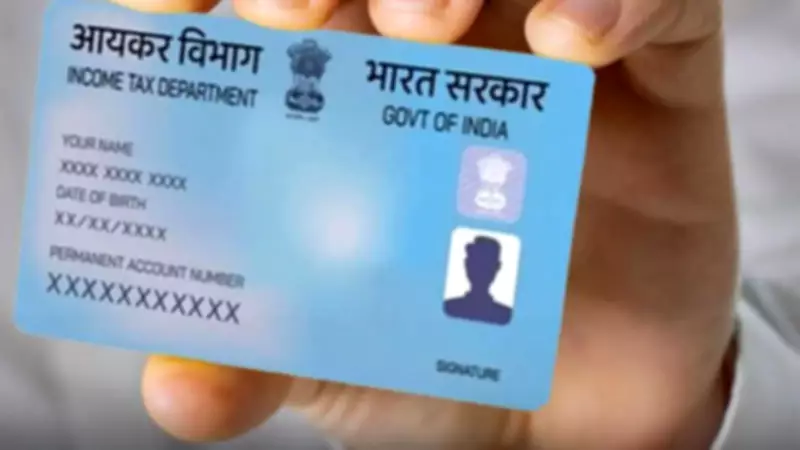
The new income tax framework has introduced significant changes for individuals planning high-value purchases or financial transactions. From April 1, the old Form 60 has been replaced by Form 97, but the requirement to quote Permanent Account Number (PAN) remains compulsory for several transactions, including buying gold jewellery worth more than Rs 2 lakh or opening a demat account.
Key Changes Under the New Framework
These changes are implemented under the Income Tax Act, 2025, read with the Income Tax Rules, 2026. The government has also replaced old Form 61 with Form 98 as part of a broader compliance overhaul aimed at simplifying declarations and making them more technology-driven, according to an ET report.
The Income Tax Department has stated that the redesigned forms use simpler language, standardised pre-filled formats, and digital processes to reduce disputes and filing errors. It expects annual filings under these forms to drop by 80-85 per cent from around 12.5 crore currently.

PAN Still Compulsory for Gold Jewellery Purchase Above Rs 2 Lakh
Chartered Accountant Suresh Surana explained that the new rules continue to mandate PAN for specified transactions. Under Rule 159 of the Income-tax Rules, 2026, which corresponds to the earlier Rule 114B, the sale or purchase of goods or services above Rs 2 lakh per transaction remains within the reporting net. "Accordingly, transactions like purchase of gold jewellery would continue to be included within its ambit," Surana said.
Although the updated rules aim to rationalise compliance and reduce reporting for routine and lower-value transactions, there is no specific amendment affecting high-value purchases of goods, including jewellery. "As such, the requirement to quote PAN for transactions above Rs 2 lakh remains applicable under the current framework," he added.
Where Form 97 Cannot Be Used
The compliance system has shifted more sharply towards PAN-based verification, meaning Form 97 cannot be used in several transactions. According to Surana, PAN is mandatory for the following:
- Purchase of motor vehicles above Rs 5 lakh
- Credit card applications
- Opening demat accounts
- Mutual fund, debenture, and bond investments above Rs 50,000, including RBI bonds
- Cash deposits or withdrawals above Rs 10 lakh
- Purchase or sale of securities above Rs 1 lakh per transaction
- Purchase or sale of unlisted shares above Rs 1 lakh per transaction
Transactions Removed from Reporting List
Surana noted that some transactions have been taken out of the Form 97 reporting framework altogether:
- Purchase of foreign currency
- Cash purchase of bank drafts, pay orders, or banker's cheques
- Transactions involving prepaid payment instruments (PPIs)
What This Means for Taxpayers
While Form 97 replaces Form 60, it is now meant for fewer cases. For most major banking, investment, and high-value purchase transactions, PAN has become the primary requirement. Buyers planning to purchase jewellery, securities, or make financial investments may need to ensure PAN details are ready before proceeding.
This update underscores the government's focus on digital compliance and reducing manual paperwork, making it essential for individuals to stay informed about the evolving tax rules.