

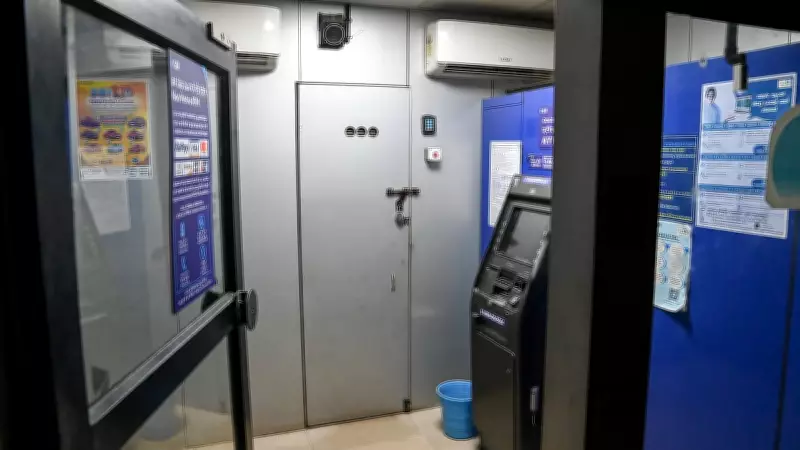
New ATM Regulations Take Effect from April 1: A Comprehensive Guide for Customers
The Reserve Bank of India (RBI) has introduced a fresh set of regulations for Automated Teller Machines (ATMs), set to be implemented from April 1. These changes are designed to enhance security, streamline operations, and improve the overall banking experience for millions of customers across the country. The new rules will affect various aspects of ATM usage, including transaction limits, charges, and procedural updates.
Key Changes in ATM Transaction Limits and Fees
One of the most significant updates involves adjustments to daily withdrawal limits and associated charges. Under the revised guidelines, the maximum cash withdrawal limit per transaction has been increased, allowing customers greater flexibility in accessing their funds. However, this comes with a revised fee structure for transactions exceeding a specified number of free withdrawals per month.
For instance, customers using their own bank's ATMs will now have a different threshold for free transactions, after which a nominal charge may apply. Similarly, the rules for using other banks' ATMs have been modified, with changes to the number of free interbank transactions permitted monthly. These adjustments aim to balance convenience with cost-effectiveness for both banks and customers.

Enhanced Security Measures and Operational Protocols
In response to growing cybersecurity threats and fraud incidents, the new regulations mandate stricter security protocols at ATMs. Banks are required to implement advanced encryption technologies and real-time monitoring systems to safeguard customer data and prevent unauthorized access. Additionally, there will be enhanced guidelines for ATM maintenance and servicing to ensure machines are operational and secure at all times.
Customers are advised to remain vigilant and follow best practices, such as shielding their PINs and reporting any suspicious activity immediately. The RBI has also emphasized the importance of customer awareness campaigns to educate users about these security enhancements.
Impact on Banking Services and Customer Convenience
The implementation of these rules is expected to have a broad impact on banking services. On one hand, the increased transaction limits may offer more convenience for customers needing larger cash withdrawals. On the other hand, the revised fee structure could lead to higher costs for frequent ATM users, particularly those relying on interbank transactions.
Banks are likely to adjust their operational strategies to comply with these guidelines, which may include upgrading ATM networks and revising customer communication strategies. For customers, it is crucial to stay informed about these changes to avoid unexpected charges and ensure a smooth banking experience.
What Customers Need to Do Next
To adapt to the new ATM rules, customers should take the following steps:
- Review their bank's updated policies on ATM transactions and fees.
- Monitor their monthly ATM usage to stay within free transaction limits.
- Familiarize themselves with the enhanced security features and report any issues promptly.
- Consider alternative banking methods, such as digital payments or branch visits, to minimize reliance on ATMs if necessary.
Overall, these changes reflect the RBI's ongoing efforts to modernize India's banking infrastructure and protect consumer interests. By understanding and adapting to the new rules, customers can continue to benefit from secure and efficient ATM services.






