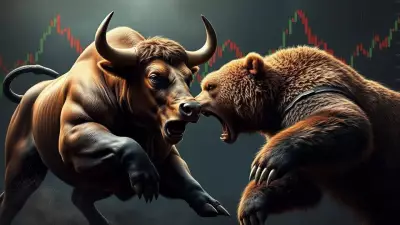
The year 2025 witnessed an extraordinary bull run in the gold market, with bullion adding a staggering 64 per cent to its value. This remarkable performance marks the precious metal's most significant annual rise since 1979, capturing the attention of investors and analysts worldwide. The surge has continued into the current year, with gold already up by 18 per cent, underscoring its enduring appeal in a volatile global economic landscape.
How Investors Are Buying Gold in the Current Market
Investors have been actively diversifying their portfolios through various channels to capitalize on gold's upward trajectory. Traditional methods such as purchasing physical bullion in the form of bars and coins remain popular, offering tangible security. Additionally, exchange-traded funds (ETFs) that track gold prices have seen substantial inflows, providing a more liquid and convenient avenue for exposure. Many are also turning to digital gold platforms and sovereign gold bonds, which combine investment benefits with regulatory safeguards.
Key Factors Fueling the Gold Market Rally
The dramatic rise in gold prices is not a random occurrence but is driven by a powerful confluence of macroeconomic and geopolitical factors.

In times of economic uncertainty and geopolitical tensions, gold has historically served as a reliable store of value. The heightened demand for safe-haven assets in 2025 provided a solid foundation for the rally, as investors sought to protect their wealth from market fluctuations.
Anticipation of US Rate Cuts:Market expectations of interest rate cuts by the US Federal Reserve played a crucial role. Lower interest rates reduce the opportunity cost of holding non-yielding assets like gold, making it more attractive compared to interest-bearing securities.
Robust Central-Bank Buying:Central banks around the world, particularly in emerging economies, have been aggressively adding gold to their reserves. This trend is part of a broader strategy to diversify away from the US dollar and bolster financial stability, significantly boosting overall demand.
De-Dollarisation Trends:The global shift towards reducing reliance on the US dollar in international trade and reserves has further fueled gold's appeal. As nations explore alternatives, gold's role as a universal and neutral asset has been reinforced, driving sustained buying interest.
Inflows into Exchange-Traded Funds:Gold-backed ETFs have experienced robust inflows, reflecting strong institutional and retail investor confidence. These financial instruments make it easier for a broader range of investors to gain exposure to gold prices without the logistical challenges of physical ownership.
Looking Ahead: Implications for Investors
With gold already up 18 per cent in the current year, the momentum appears strong. Investors should closely monitor the evolving factors, such as central bank policies, currency movements, and global economic indicators, to make informed decisions. While past performance is not indicative of future results, the underlying drivers suggest that gold will remain a key component of diversified investment strategies in the foreseeable future.