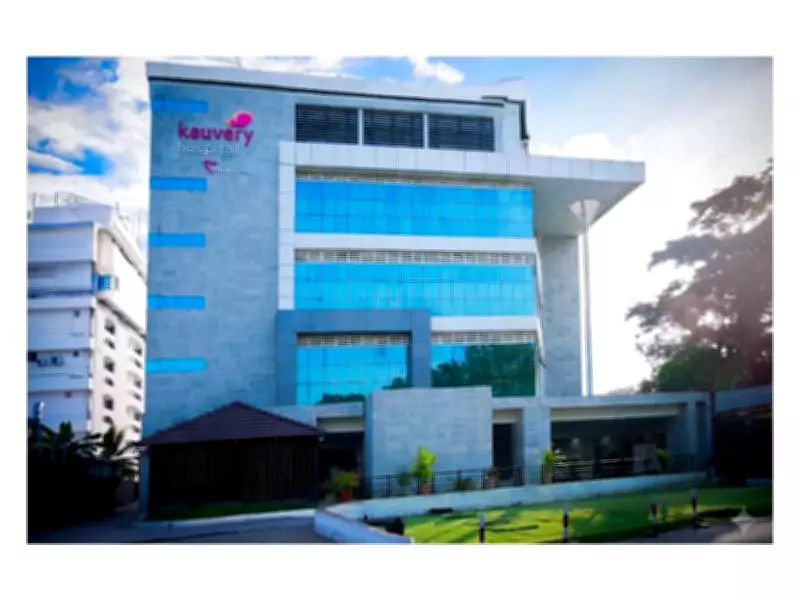
Kauvery Heart City has achieved a significant milestone by performing the delta region's first renal denervation procedure, an advanced treatment for patients with uncontrolled high blood pressure. This minimally invasive intervention targets the renal nerves to reduce hypertension, offering a new therapeutic option for those who do not respond adequately to medication.
Understanding Renal Denervation
Renal denervation is a catheter-based procedure that uses radiofrequency energy to disrupt overactive nerves in the renal arteries. These nerves play a key role in regulating blood pressure, and their hyperactivity can contribute to resistant hypertension. By selectively ablating these nerve fibers, the procedure can lower blood pressure and potentially reduce the need for lifelong medication.
Procedure Details
The procedure was performed by a team of interventional cardiologists at Kauvery Heart City. Under local anesthesia, a catheter is inserted through a small incision in the groin and guided to the renal arteries. Once in position, radiofrequency pulses are delivered to the nerve tissue. The entire procedure takes about 60 minutes, and most patients can return home the next day.

Patient Selection
Candidates for renal denervation include patients with confirmed resistant hypertension, defined as blood pressure above target despite adherence to three or more antihypertensive medications, including a diuretic. They must also have no secondary causes of hypertension and be free from significant renal artery abnormalities.
Benefits and Risks
The primary benefit of renal denervation is sustained blood pressure reduction, which lowers the risk of heart attack, stroke, and kidney disease. Studies have shown average reductions of 10-20 mmHg in systolic blood pressure. The procedure is generally safe, with risks including puncture site complications, contrast-induced nephropathy, and rare instances of renal artery dissection.
Expert Commentary
Dr. S. Ramesh, senior interventional cardiologist at Kauvery Heart City, stated, 'This breakthrough offers hope to patients who have struggled with blood pressure control despite optimal medical therapy. It represents a paradigm shift in hypertension management.' He emphasized that the procedure is not a replacement for lifestyle modifications but rather an adjunct for selected patients.
Future Implications
With the success of this first procedure, Kauvery Heart City plans to offer renal denervation as a routine option for eligible patients. Ongoing research continues to refine patient selection criteria and optimize outcomes. This advancement positions the delta region at the forefront of hypertension care.