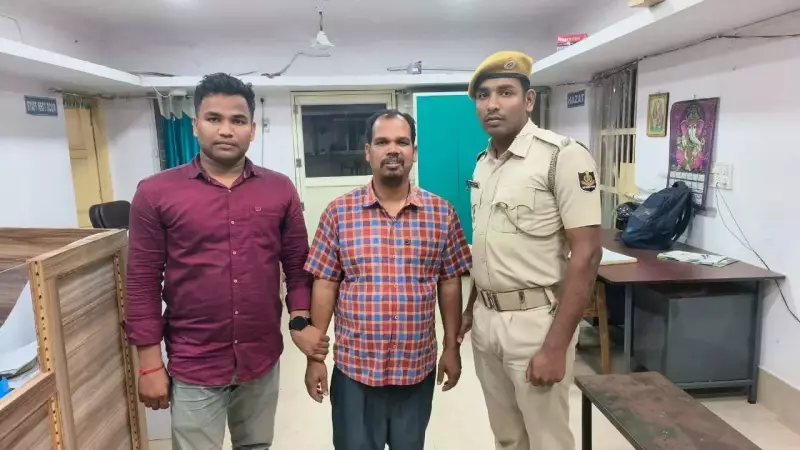
Police in Berhampur have arrested a 40-year-old clerk from a public sector bank for allegedly siphoning off more than Rs 6.28 lakh from the accounts of numerous customers. The accused, identified as Trinath Bisoyi from Sompentha in Andhra Pradesh's Srikakulam district, was taken into custody on Monday.
How the Fraud Was Executed
According to the authorities, Bisoyi, who worked at a bank branch in Kamalapur near Berhampur, employed a simple yet deceptive method. He would accept cash deposits from customers and provide them with official receipts. However, he would then fail to credit the actual deposit amount into their savings accounts. This fraudulent activity reportedly went on for several months, from May to October of this year.
The scheme impacted at least 26 separate account holders, whose collective losses crossed the Rs 6.28 lakh mark. The clerk allegedly pocketed the money himself, betraying the trust placed in him by the bank and its clients.

The Unraveling of the Scheme
The fraud came to light when multiple customers visited the branch to update their passbooks. They discovered that their recent deposits were not reflecting in their account balances. Concerned, they approached the branch manager with formal complaints.
This prompted the bank authorities to launch an immediate internal inquiry. The investigation quickly confirmed the customers' allegations, revealing a consistent pattern of misconduct by Bisoyi. Following the internal probe, the bank filed a First Information Report (FIR) at the local cyber crime and economic offence police station.
Ongoing Police Investigation
Shankar Panda, the inspector in-charge of the cyber police station, confirmed the arrest and the registration of the FIR. He stated that a thorough inquiry is currently underway to ascertain the full extent of the misappropriation.
"Inquiry is going on about the misappropriation from every victim who has come forward," Inspector Panda said. He added that the police are also checking "if any other account holders suffered from such illegal activities" beyond the currently known 26 victims.
The case highlights critical internal control vulnerabilities within the banking system and serves as a cautionary tale for customers to regularly verify their bank statements and passbook entries.