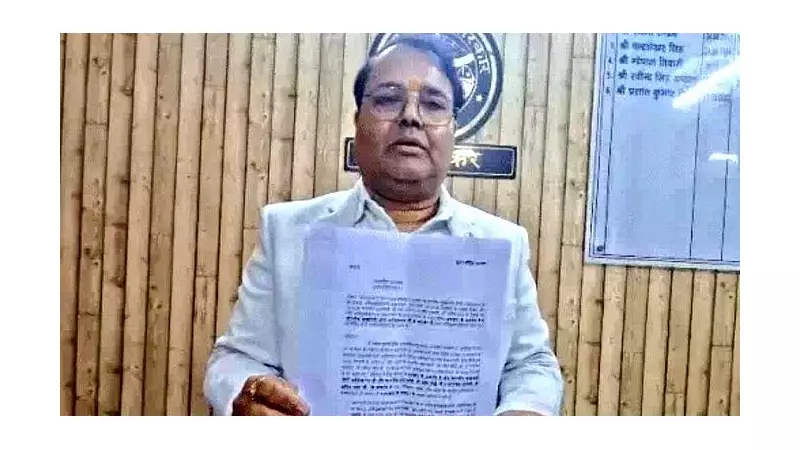
Ayodhya GST Commissioner Steps Down Amid Emotional Outburst Over Seer's Comments
In a surprising and highly charged incident, the Goods and Services Tax (GST) Commissioner of Ayodhya, Rakesh Kumar Singh, has tendered his resignation from his official position. The resignation was marked by an emotional display, as Singh was seen crying while announcing his decision, which has sent shockwaves through the administrative circles in Uttar Pradesh.
Triggered by Disrespectful Remarks from a Local Seer
The catalyst for this dramatic resignation was the alleged derogatory comments made by a prominent local seer in Ayodhya. According to reports, the seer made disparaging remarks targeting Prime Minister Narendra Modi and Uttar Pradesh Chief Minister Yogi Adityanath. Singh, who holds deep respect for both leaders, found these comments intolerable and cited them as the primary reason for his abrupt departure from the GST commissioner role.
Singh expressed his anguish publicly, stating that he could not continue in his position after such disrespect was shown towards the nation's top leadership. His emotional response underscores the intense personal and professional convictions that often influence bureaucratic decisions in India, especially in regions with strong cultural and political sentiments like Ayodhya.

Implications for Ayodhya's Administrative Landscape
This resignation raises significant questions about the stability and morale within Ayodhya's administrative framework. As a key figure in the GST department, Singh's exit could potentially disrupt tax-related operations and governance in the area, which is already under the spotlight due to ongoing developmental projects and religious significance.
- The incident highlights the delicate balance between personal beliefs and official duties in public service roles.
- It may prompt a review of protocols for handling such sensitive situations within government departments.
- The emotional nature of the resignation could influence public perception and trust in local administration.
Observers note that this event reflects broader tensions in Indian politics, where loyalty to leaders often intersects with bureaucratic functions. The seer's remarks, though not detailed in the initial reports, have evidently struck a chord, leading to this unprecedented step by a senior official.
Broader Context and Future Outlook
Ayodhya, a city of immense religious and political importance, frequently finds itself at the center of national discourse. This resignation adds another layer to its complex narrative, emphasizing how local incidents can resonate on a larger scale. The Uttar Pradesh government is likely to address this vacancy promptly to ensure continuity in GST administration, but the underlying issues of respect and authority may linger.
In conclusion, Rakesh Kumar Singh's tearful resignation as Ayodhya's GST Commissioner over a seer's remarks on PM Modi and Yogi Adityanath is a poignant reminder of the human elements in governance. It underscores the challenges faced by officials in navigating political sensitivities while upholding their duties, and it may spark discussions on professionalism and emotional resilience in public service across India.