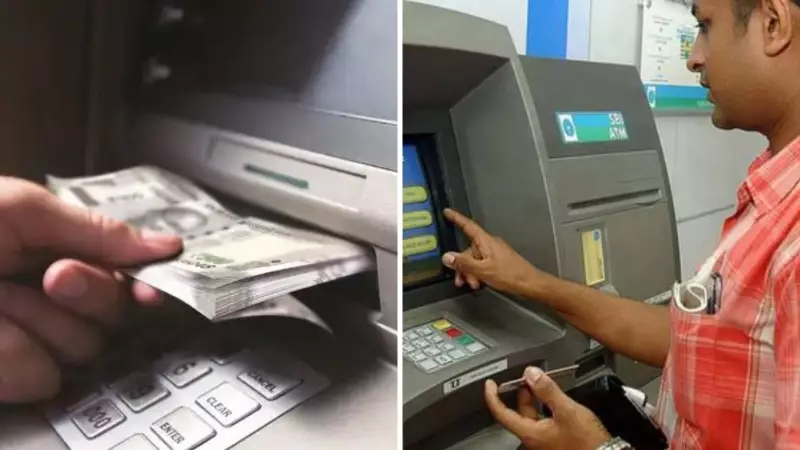
ATM Cash Not Dispensed? Here's How to Get Your Money Back Under RBI Rules
In today's fast-paced digital world, banking hassles can disrupt our daily lives. One particularly frustrating experience occurs when you attempt to withdraw cash from an ATM, the machine debits your account, but no money comes out. This common issue leaves many customers anxious about their hard-earned funds. Fortunately, you don't have to suffer financial loss due to such technical glitches. There exists a clear, regulatory-backed process to reclaim your money efficiently.
Understanding Your Rights in Failed ATM Transactions
The Reserve Bank of India has established specific guidelines to protect consumers in cases of failed ATM transactions. These rules ensure that banks address such issues promptly and compensate customers for delays. When an ATM fails to dispense cash after debiting your account, it's crucial to act swiftly and follow the proper channels. This guide provides comprehensive steps to navigate the refund process, empowering you with knowledge about your entitlements under RBI regulations.
Step-by-Step Guide to Recover Your Funds
Recovering money from a failed ATM withdrawal involves systematic actions. Here's a detailed breakdown of the process:

- Immediate Documentation: As soon as you notice the transaction failure, preserve all evidence. Keep the debit SMS or bank alert received on your phone. Note down the exact ATM location, including the bank name and address, along with the precise date and time of the transaction. This documentation serves as crucial proof for your complaint.
- File a Formal Complaint: Contact your bank through their official channels within 24 to 48 hours of the incident. You can use the bank's mobile application, net banking portal, or customer care helpline to register your grievance. Provide all the documented details clearly to facilitate quick resolution.
- Monitor the RBI Timeline: According to RBI directives, banks must resolve failed ATM withdrawal complaints within transaction date plus five business days. Mark this timeline on your calendar and follow up with the bank if the refund isn't processed within this period.
- Escalation Procedure: If your bank delays the refund beyond the RBI-mandated timeline, escalate your complaint to the Reserve Bank of India. Use the RBI's Complaint Management System (CMS) available at their official website. This step ensures regulatory oversight and often accelerates the resolution process.
Compensation Entitlements for Delayed Refunds
Under RBI regulations, customers are entitled to compensation if banks fail to refund the amount within the stipulated timeframe. Specifically, if the refund is delayed beyond the five-business-day period, the bank must pay compensation of Rs 100 per day until the amount is credited back to your account. This provision underscores the importance of timely action and holds financial institutions accountable for service lapses.
By following these steps, you can transform a stressful banking experience into a manageable process. Remember, being informed about your rights and the proper procedures is key to safeguarding your finances in the digital age.