White House Posts Edited Photo of Trump Staring at Greenland
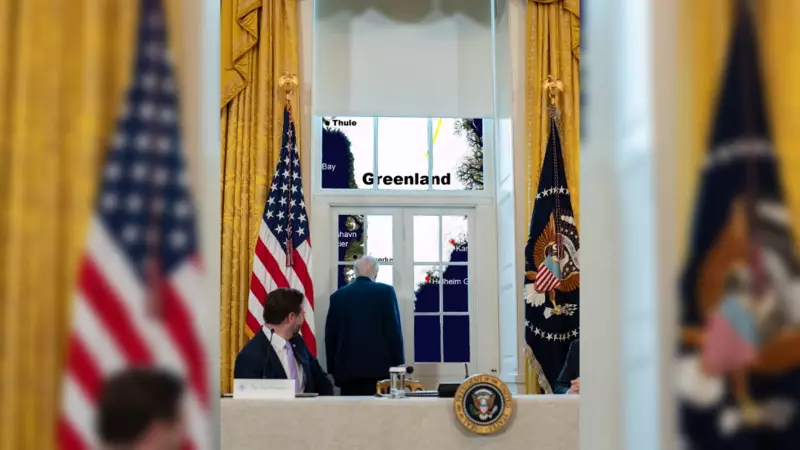
The White House recently shared a digitally altered photograph on its official social media channels. This image depicted former President Donald Trump looking intently at a map of Greenland. The original photo did not include this specific focus on Greenland. The edited version quickly caught public attention and sparked widespread discussion online.
Details of the Edited Image
In the modified picture, Trump appears to be staring directly at Greenland. Observers noted that the map in the background was clearly manipulated. The White House did not immediately comment on why they altered the image. Many people questioned the intent behind posting such a changed photograph.
Public and Media Reaction
Reactions to the edited photo were swift and varied. Some critics accused the White House of using misleading imagery. Others saw it as a humorous or symbolic gesture. Media outlets analyzed the image, pointing out the obvious edits. Social media users debated the ethics of altering official photographs for political purposes.

Key points from the discussion include:
- The photo alteration was done without disclosure.
- It raised concerns about transparency in government communications.
- Some viewed it as a trivial matter, while others considered it significant.
Historical Context of Trump and Greenland
This incident recalls previous events involving Trump and Greenland. During his presidency, Trump expressed interest in purchasing Greenland from Denmark. That proposal was met with rejection and became a notable international episode. The edited photo seems to reference that past interest, whether intentionally or not.
The connection to past events adds another layer to the current controversy. It reminds people of the unusual diplomatic proposal from a few years ago.
Broader Implications
The posting of an edited photo by the White House highlights broader issues. It touches on the use of digital manipulation in political messaging. In an era of deepfakes and AI-generated content, such actions can erode public trust. Experts warn that even minor edits can contribute to a culture of misinformation.
This event serves as a reminder for institutions to maintain accuracy in their communications. The public expects honesty from official sources, especially in the digital age.