In a significant development, Venezuela's crucial oil export infrastructure reportedly escaped damage during a recent military strike conducted by the United States, according to sources familiar with the matter. The incident, which occurred in early January 2026, has drawn international attention to the escalating tensions between the two nations.
Key Infrastructure Spared, Major Port Hit
Multiple sources have indicated that the country's vital oil production and export facilities were left unscathed by the attack. This is a critical detail for Venezuela, whose economy is heavily dependent on petroleum exports. The preservation of this infrastructure suggests a targeted approach by the striking forces.
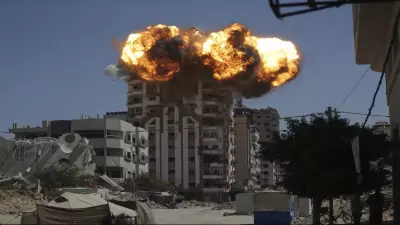
However, the same sources confirmed that the Port of La Guaira, located near the capital Caracas, sustained severe damage. It is important to note that while La Guaira is one of Venezuela's largest ports, it is not typically used for shipping oil abroad. Its primary function involves general cargo and container shipments, meaning the strike's impact on the nation's primary revenue stream from oil may be indirect.

Context and Timing of the Strike
The military action was reported to have taken place on or around 03 January 2026. The administration of US President Donald Trump is understood to have authorized the strike, marking a severe escalation in the long-strained relations between Washington and Caracas. The precise reasons and immediate triggers for the strike have not been fully disclosed by official channels, leaving analysts to rely on information from sources.
The selection of a non-oil target like the Port of La Guaira raises questions about the strategic objectives of the operation. Was it intended to disrupt general trade and logistics without crippling the oil sector, or was it a demonstration of capability with a warning attached?
Potential Repercussions and Global Reaction
The aftermath of this event is likely to have wide-ranging consequences. For Venezuela, the damage to a major port will disrupt supply chains and imports, potentially exacerbating existing economic challenges within the country. The fact that its oil lifeline remains operational will be a small relief for the government in Caracas.
Internationally, the strike is expected to fuel debates on sovereignty and the use of military force. Other nations, particularly those in Latin America and traditional allies of Venezuela, are likely to issue strong statements. The global oil market, which is sensitive to geopolitical disruptions in major producing regions, will be monitoring the situation closely for any signs of escalation that could threaten future output.
As of now, the full scope of the damage and the official responses from both the Venezuelan and US governments are awaited. This incident underscores the fragile state of international diplomacy and the ever-present potential for conflict, even as key economic assets are deliberately avoided.