US Government Abruptly Withdraws Updated Chinese Military Company List
The United States government executed a swift reversal on Friday, February 13, by withdrawing a newly updated roster of Chinese companies allegedly supporting Beijing's military ambitions. This action occurred merely one hour after the list's initial publication on the official Federal Register, according to a Reuters report.
Immediate Withdrawal Following Agency Request
The document, formally known as the Pentagon's 1260H list, briefly appeared online with several high-profile additions before being replaced by a "withdrawn" notice. This removal followed an urgent request from the issuing agency, though no official explanation for the sudden reversal has been provided. The Federal Register confirmed the withdrawal in an editorial note, stating, "An agency letter requesting withdrawal of this document was received after placement on public inspection."
Notable Additions and Removals in the Brief Update
The short-lived update included some of China's most prominent global technology brands. Alongside e-commerce and cloud computing giant Alibaba and search engine leader Baidu, the list reportedly added:

- BYD: One of the world's largest electric vehicle manufacturers and a direct competitor to Elon Musk's Tesla.
- WuXi AppTec: A major biotechnology firm with significant international operations.
- RoboSense: A leading company in artificial intelligence-driven robotics and autonomous vehicle technology.
These new entries joined existing listed companies such as Tencent Holdings, China's massive technology conglomerate, and CATL, the dominant battery manufacturer for electric vehicles. Conversely, chip memory maker YMTC was reportedly removed from the updated roster.
Corporate Response and Legal Implications
An Alibaba spokesperson strongly contested the company's inclusion, stating there was no factual basis for their presence on the list and threatening potential legal action. "Alibaba is not a Chinese military company nor part of any military-civil fusion strategy," the company asserted. While inclusion on the 1260H list does not trigger immediate sanctions, it carries significant stigma and practical consequences. Under recently passed legislation, the Pentagon will be prohibited from signing contracts or purchasing products from any listed company in the coming years, potentially affecting billions in potential business.
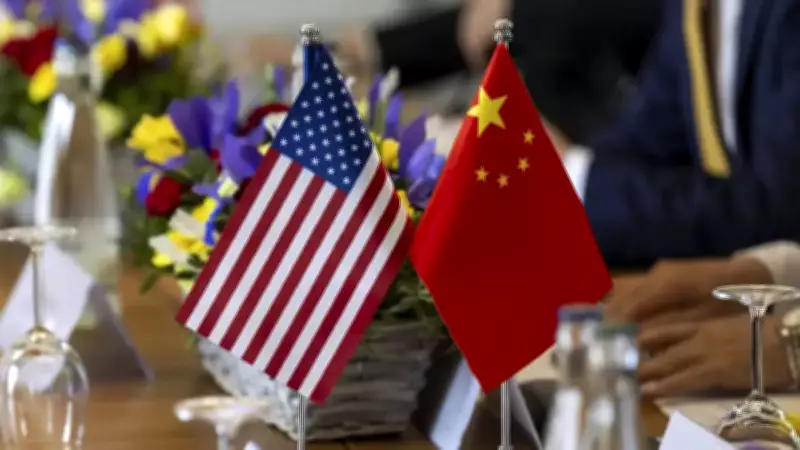
The rapid withdrawal highlights the complex and evolving nature of US-China technological and military tensions, particularly regarding Beijing's military-civil fusion strategy that seeks to leverage commercial technological advancements for defense purposes. The incident underscores the delicate balance policymakers must maintain between national security concerns and the realities of global economic interdependence.