Thousands of Indian professionals and their families in the United States are facing agonizing personal decisions due to extensive delays in securing visa appointments. The prolonged wait times are forcing many to miss crucial family events back in India, creating a painful conflict between career stability and familial bonds.
A Wedding Watched Through Tears
One H-4 visa holder living in Seattle shared her heartbreaking experience of being unable to travel to India for her only brother's wedding last month. Instead of attending the ceremony in person, she had to watch a live stream from her home in the US.
"I watched a live stream of the wedding with tears rolling down my eyes as I carried out my mundane chores, like packing kids' school lunches, on a cold Seattle morning, while my brother said his vows," she told The American Bazaar. She congratulated the couple over the phone, describing how much the situation hurt. However, traveling without a definite visa appointment date would have invited more uncertainty into their lives.

Immigration Lawyer's Stark Warning
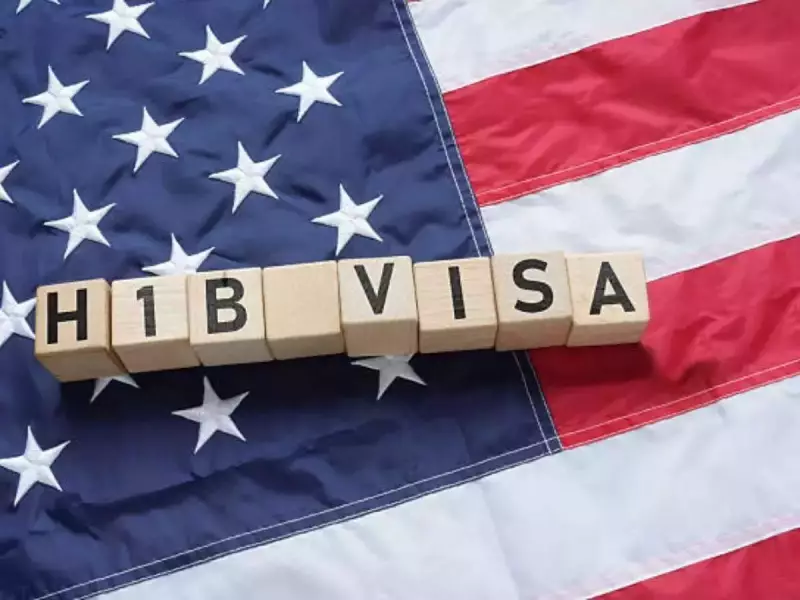
Immigration attorney Gnanamookan Senthurjothi advises a practical approach for those on H-4 and H1-B visas, emphasizing career protection. He strongly discourages international travel under the current circumstances.
"As an immigration lawyer, I would not want them to travel abroad, as the chances of returning to the US immediately look very bleak," Senthurjothi said. He highlighted the severe professional and financial consequences, noting that individuals can get stuck in India for weeks or months, often leading to job loss.
He further warned that changing employers later is a costly process, with new petitions filed by a different employer potentially attracting a fee of around $100,000.
Navigating the Backlog: Remote Work and Uncertain Futures
The situation leaves a large community of Indian immigrants torn between family responsibilities and the risk of being unable to return to their careers and lives in the US. Some visa holders currently stranded in India are attempting to continue working remotely with their employer's approval.
On this point, Senthurjothi advised that H-1B holders permitted short-term remote work from India should remain on US payrolls for as long as it is feasible. This precarious balancing act underscores the profound stress caused by the visa processing delays and backlogs, which show no sign of clear resolution, forcing many to make impossible choices.