US Military Reportedly Employed B-2 Bombers, Suicide Drones, and AI in Iran Strikes
A recent report has unveiled that the United States military executed a series of strikes against Iranian targets using a combination of cutting-edge technologies, including B-2 stealth bombers, suicide drones, and artificial intelligence developed by Anthropic. This operation underscores a significant evolution in modern warfare tactics, blending traditional airpower with autonomous systems and AI-driven capabilities.
Advanced Arsenal Deployed in the Operation
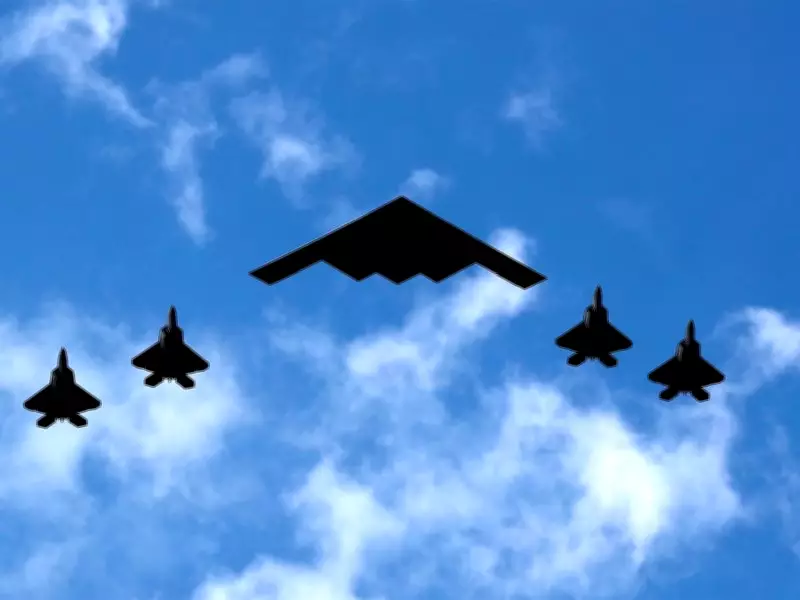
According to the findings, the US deployed B-2 Spirit stealth bombers, renowned for their ability to evade radar detection and deliver precision strikes over long distances. These aircraft played a crucial role in targeting key Iranian facilities, minimizing collateral damage while maximizing strategic impact. The use of such advanced bombers highlights the US's commitment to maintaining air superiority in complex geopolitical environments.
In addition to the B-2 bombers, the operation incorporated suicide drones, also known as loitering munitions. These unmanned aerial vehicles are designed to hover over a target area before engaging with explosive force, offering a flexible and cost-effective alternative to conventional missiles. Their deployment allowed for real-time adjustments and targeted strikes against mobile or time-sensitive objectives, enhancing the overall effectiveness of the mission.

Role of Anthropic AI in Enhancing Strike Capabilities
The report further details the integration of artificial intelligence technology from Anthropic, a leading AI research company. This AI was utilized to analyze vast amounts of data, including satellite imagery, signals intelligence, and real-time battlefield information. By processing this data, the AI assisted in identifying high-value targets, optimizing strike timing, and predicting enemy movements, thereby improving decision-making and operational precision.
The use of Anthropic AI represents a growing trend in military applications, where machine learning algorithms are leveraged to enhance situational awareness and reduce human error. This technology enabled commanders to make more informed choices, potentially increasing the success rate of the strikes while minimizing risks to personnel and civilians.
Implications for Modern Warfare and International Relations
This multi-faceted approach to the strikes against Iran signals a shift towards hybrid warfare strategies that combine conventional and emerging technologies. The deployment of B-2 bombers, suicide drones, and AI reflects the US military's adaptation to evolving threats and its emphasis on innovation in defense capabilities. Such operations could set precedents for future conflicts, where AI and autonomous systems become integral components of military planning and execution.
From an international perspective, these strikes have likely heightened tensions in the region, raising concerns about escalation and the broader implications for global security. The use of advanced technologies may also prompt other nations to accelerate their own military modernization efforts, potentially leading to an arms race in AI and drone warfare. As geopolitical dynamics continue to evolve, the integration of these tools in combat scenarios will undoubtedly shape the future of international diplomacy and conflict resolution.