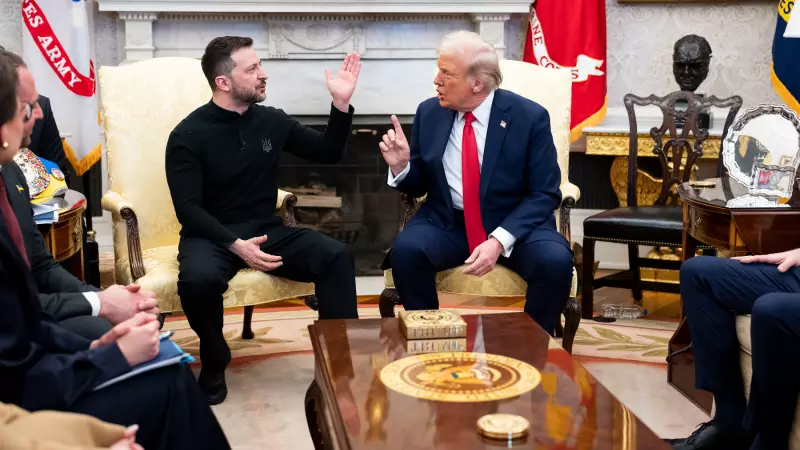
The strategic alliance between the United States and Ukraine, a cornerstone of Kyiv's resistance against Russia's invasion, is showing significant signs of strain and internal division. What was once a remarkably unified front is now grappling with deepening fissures over military strategy, the pace of aid, and shifting political winds in Washington. This unraveling dynamic threatens to alter the course of the war and has profound implications for global security architecture.
The Cracks in the Unified Front
The partnership's challenges are multifaceted. A primary source of tension stems from fundamental disagreements on military tactics. US officials have privately expressed frustration with Ukraine's conservative approach to deploying troops and its reluctance to concentrate forces for major offensives. American advisors, drawing from NATO doctrines, have often pushed for more aggressive, large-scale maneuvers, while Ukrainian commanders, acutely aware of their manpower limitations and the need to minimize casualties, have favored a more cautious, attrition-based strategy.
Compounding these strategic differences is the volatile and delayed nature of American military assistance. The much-publicized $61 billion aid package, passed after months of congressional gridlock, has been slow to translate into weapons on the front lines. This delay has forced Ukrainian forces to ration artillery shells and air defense missiles, directly impacting their battlefield performance. The stop-and-start flow of aid has created a climate of uncertainty in Kyiv, making long-term defensive planning exceedingly difficult.

Domestic US Politics: A Key Driver of Discord
The internal political landscape in the United States has become a critical factor destabilizing the partnership. The increasingly isolationist stance of the Republican Party, particularly factions aligned with former President Donald Trump, has turned Ukraine aid into a contentious domestic political football. The prolonged congressional deadlock over the aid package was a stark warning to Ukraine about the fragility of American support.
Furthermore, the upcoming 2024 US presidential election looms large over the alliance. A potential victory for Donald Trump, who has repeatedly expressed admiration for Russian President Vladimir Putin and vowed to end the war within 24 hours, casts a long shadow. This political uncertainty forces European allies and Ukraine itself to contemplate a future where American commitment may drastically diminish or change character overnight.
Broader Implications and a Shifting Global Order
The fraying of this partnership extends beyond bilateral relations. It signals a potential broader retreat of US leadership on the global stage, encouraging adversaries and unsettling allies. For nations in the Indo-Pacific, like India, which closely monitor great power dynamics, these developments underscore the risks of over-reliance on a single security guarantor whose domestic politics can abruptly alter foreign policy.
The strain also places immense pressure on European nations to fill the potential vacuum in military and financial support for Ukraine. While countries like Germany, the UK, and France have increased their commitments, they lack the sheer scale of resources the US has provided. This period may accelerate Europe's strategic autonomy, but the transition is fraught with risk for Ukraine's immediate defensive needs.
Ultimately, the unraveling inside the US-Ukraine partnership is more than a diplomatic rift; it is a test of Western resolve and strategic consistency. The outcome will determine not only Ukraine's fate but also send a powerful message about the durability of international alliances in an era of resurgent authoritarianism and inward-looking politics. The coming months will reveal whether the cracks can be repaired or if they will widen into a chasm that reshapes the conflict and the world order.