New research from the Federal Reserve has quantified the impact of the Trump administration's tariffs on the American job market in 2025, revealing a significant but temporary drag on employment growth. The study offers a clearer picture of the trade policy's immediate consequences and provides a more optimistic forecast for the current year.
The Tariff Toll on 2025 Employment
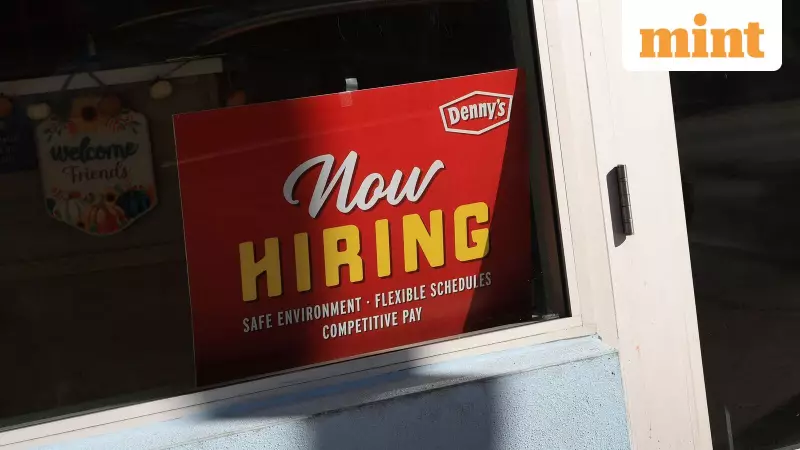
Economists at the Federal Reserve Bank of Kansas City calculated that the higher tariffs likely reduced average monthly payroll gains by up to 19,000 jobs last year. This drag also contributed to raising the national unemployment rate by approximately 0.1 percentage point. While not catastrophic, these effects were amplified within an already weakening labour environment.
Data underscores this slowdown. From April through November 2025, U.S. employment growth averaged a mere 34,600 jobs per month, a stark drop from the nearly 170,000 jobs per month averaged in 2024. Consequently, the unemployment rate climbed from 4.1% in June to 4.6% in November.

Mechanism and Sectoral Impact
Tariffs typically increase input costs for businesses, squeezing profit margins. Companies often respond by cutting labour costs and seeking productivity boosts to offset these higher expenses. However, tariffs on imports can, over time, make domestic firms more competitive and profitable, potentially leading to increased hiring.
The Fed researchers found that sectors most exposed to imports faced a larger decline in job growth. Interestingly, the manufacturing sector, which many expected to be a primary beneficiary of protective tariffs, has remained stagnant. The Institute for Supply Management's manufacturing index declined in November 2025, weighed down by weak new orders and employment.
Stephen Stanley, chief U.S. economist at Santander, pointed to policy uncertainty as a key culprit. "The extended uncertainty surrounding tariff and trade policy created a crippling degree of uncertainty for many firms, sending them to the sidelines to wait for more clarity," he noted.
Looking Ahead: A More Confident 2026
The primary takeaway from the research is that the negative employment impact of tariffs is expected to fade as 2026 progresses. As businesses gain clarity on long-term operating costs, they are predicted to become more confident in making investment and hiring decisions.
Historical precedent supports this view. Research on Trump's 2018 tariff increases by the Cato Institute found they led to 137,000 fewer job postings, reducing total job growth by 0.5% that year. However, hiring rebounded strongly in 2019, with employers adding an average of 165,000 jobs monthly before the pandemic.
Stanley forecasts payrolls to expand in 2026 by an average of 100,000 jobs per month, enough to gradually lower the unemployment rate. This expected pickup is attributed to a more pro-growth agenda from the administration, the end of substantial federal employee cuts seen in 2025, and, crucially, renewed business confidence as policy uncertainty diminishes.
An additional factor could be a pending Supreme Court ruling. If the court decides that President Trump overreached his authority by implementing tariffs under the International Emergency Economic Powers Act, businesses might accelerate hiring in anticipation of lower levies. Law firm Greenberg Traurig suggests a ruling could come as early as January or February 2026.
Contrary to widespread fears, the Fed analysis found that the 2025 tariffs did not cause a significant surge in inflation. The focus, instead, remained squarely on the labour market's adjustment to the new trade landscape.