In a significant escalation of geopolitical tensions, the United States military launched coordinated strikes on targets within Venezuela. The operation prompted immediate and severe repercussions, with Caracas declaring a state of emergency and mobilising its citizens in response to what it termed "criminal aggression." The situation has drawn urgent calls for restraint from global powers.
India's Cricket Board Announces Squad for New Zealand ODI Series
Shifting focus to the sporting arena, the Board of Control for Cricket in India (BCCI) unveiled the national team for the upcoming One-Day International series against New Zealand, set to commence on January 11. In a notable leadership decision, Shubman Gill has been appointed captain, with Shreyas Iyer serving as his deputy. The squad sees the omission of star all-rounder Hardik Pandya and pace spearhead Mohammad Shami, reportedly due to fitness and workload management protocols.
Tharoor Condemns BCCI Move on Mustafizur Rahman
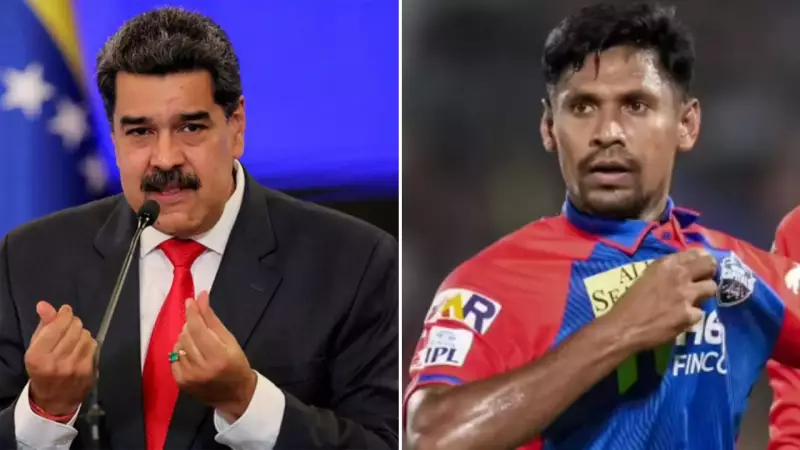
The world of cricket found itself entangled in political discourse as Congress MP Shashi Tharoor strongly criticised the decision to release Bangladeshi fast bowler Mustafizur Rahman from the Kolkata Knight Riders' IPL squad. Tharoor warned against the politicisation of international sport, questioning the rationale behind the BCCI-backed move. He pointedly asked what the reaction would have been if the player in question had been other prominent Bangladeshi cricketers, highlighting the potential for diplomatic friction.

Iran's Supreme Leader Warns Protesters Amid Unrest
Meanwhile, in Iran, Supreme Leader Ayatollah Ali Khamenei addressed widespread economic protests spreading across multiple cities. While acknowledging the legitimacy of some public grievances, he issued a stern warning that any violent unrest would be met with a forceful response. Khamenei also defiantly rejected warnings from the United States, vowing to resist external pressure.
In a separate and tragic development, a brutal attack in Bangladesh has intensified outrage over violence against minority communities. Hindu businessman Khokon Das succumbed to his injuries after being attacked and set on fire. The incident has prompted condemnation from leaders in both Bangladesh and India, raising serious concerns about the safety of minorities.
These events collectively paint a picture of a volatile global landscape, where geopolitical conflicts, sporting decisions with political undertones, and internal civil unrest are creating waves of concern and reaction worldwide.