The military intervention in Venezuela ordered by the Trump administration in early 2026 marked a dramatic escalation in a long-standing geopolitical struggle. While the move was unprecedented in its directness, analysts note it was the culmination of a pressure campaign spanning decades, fundamentally linked to Venezuela's immense petroleum reserves.
A History Rooted in Oil and Ideology
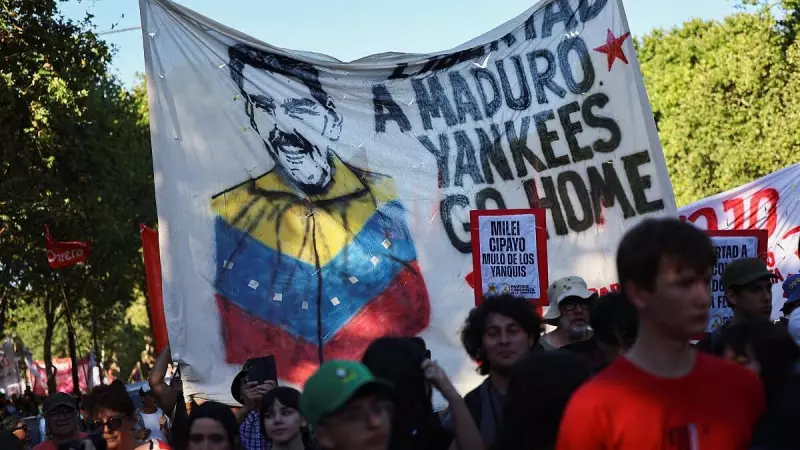
For years, the United States has viewed Venezuela's energy resources as a matter of strategic national interest. This focus intensified under the presidencies of Hugo Chavez and his successor, Nicolas Maduro. Their socialist policies and alliances with US rivals transformed the relationship from one of uneasy partnership to one of overt hostility. The US objective, long before the events of January 2026, was to influence or replace leadership in Caracas to regain favorable access to what are considered the world's largest proven oil deposits.
The tactics evolved over time, moving from diplomatic censure and economic sanctions to more aggressive posturing. The Trump administration's decision to authorise military action, however, crossed a threshold that previous US governments had avoided, directly seeking the toppling of the Maduro regime.

The Unprecedented Move of 2026
The specific action reported on 06 January 2026, while not detailed in its operational scope, represented a clear break from past US policy in the region. It signalled a willingness to use hard power to achieve economic and political goals in Venezuela. This shift did not occur in a vacuum but was built upon years of mounting sanctions, support for opposition figures, and international isolation campaigns against the Maduro government.
Observers point out that the consistent thread through all these efforts, regardless of the US administration in power, has been the strategic desire to control the flow of Venezuelan crude oil. The country's economic collapse under Maduro, partly exacerbated by US sanctions, further complicated the global energy landscape, making the situation a persistent priority for Washington.
Implications and Lasting Consequences
The military action set a significant precedent for intervention in Latin America, raising questions about sovereignty and the right to self-determination. The aftermath likely reshaped regional alliances, with countries either condemning or quietly supporting the US move based on their own economic and political calculations.
For the global oil market, the events aimed at toppling Maduro were a play to destabilise and then potentially restructure one of the key players in OPEC. The long-term success of this strategy in securing stable oil supplies for the US and its allies remains a complex question, intertwined with Venezuela's deep-rooted political and humanitarian crisis.
Ultimately, the story of US-Venezuela relations in the 21st century is a stark reminder of how vast oil wealth can become both a blessing and a curse, attracting intense external pressure that can determine a nation's fate. The events of January 2026 were merely the latest, and most forceful, chapter in this protracted conflict.