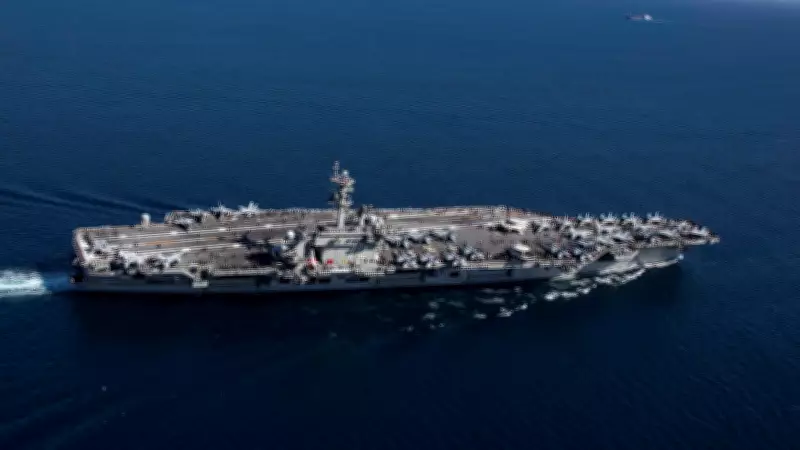
US Forces Neutralize Iranian Drone Threat Near Aircraft Carrier in Key Waters
In a significant development highlighting ongoing geopolitical tensions, the United States military has confirmed the successful interception and destruction of an Iranian Shahed drone. The incident occurred in proximity to the USS Abraham Lincoln, a Nimitz-class aircraft carrier, in strategically important international waters. This action underscores the persistent security challenges faced by naval forces in volatile regions and marks a notable escalation in the shadow conflict between the US and Iran.
Details of the Drone Interception Operation
The operation was executed with precision by US defense systems, which identified the Iranian-origin Shahed drone as an imminent threat to the safety and operational integrity of the USS Abraham Lincoln and its accompanying fleet. The Shahed drone, known for its reconnaissance and potential attack capabilities, was engaged and shot down before it could pose any direct harm. Military officials have emphasized that this defensive measure was necessary to protect American assets and personnel, adhering to standard protocols for maritime security.
This event is not isolated; it reflects a pattern of increased drone activity by Iran in international waters, often targeting or monitoring US naval movements. The USS Abraham Lincoln, a cornerstone of US naval power, has been deployed in various global hotspots, making it a frequent subject of such surveillance attempts. The successful neutralization of the drone demonstrates the advanced capabilities of US anti-drone technology and the readiness of forces to respond to asymmetric threats.

Broader Implications for US-Iran Relations and Regional Stability
The shooting down of the Iranian drone is likely to exacerbate already strained relations between the United States and Iran. It occurs against a backdrop of longstanding disputes over nuclear agreements, regional influence, and maritime freedom. Analysts suggest that such incidents could lead to further military posturing or even retaliatory actions, potentially destabilizing key waterways that are vital for global trade and energy supplies.
In response, the US Department of Defense has reiterated its commitment to safeguarding navigation rights and ensuring the security of its forces worldwide. Meanwhile, Iranian authorities have yet to issue an official statement regarding the drone loss, but past behaviors indicate a pattern of denying or downplaying such engagements. This event may prompt renewed diplomatic efforts or, conversely, fuel further confrontations in an already tense geopolitical landscape.
Key Takeaways from the Incident:- The US military's proactive defense mechanisms effectively countered a potential threat from an Iranian drone.
- The involvement of the USS Abraham Lincoln highlights the strategic importance of aircraft carriers in US naval doctrine.
- This incident adds to a series of similar encounters, pointing to an ongoing low-intensity conflict in maritime domains.
- Regional stability in the Middle East and surrounding waters remains fragile, with such events posing risks of escalation.
As global attention focuses on these developments, the implications for international security and diplomatic relations continue to unfold. The ability of nations to manage such incidents without broader conflict will be crucial in the coming months.