In a stunning geopolitical maneuver that has sent ripples across the world, the United States has successfully apprehended Venezuelan leader Nicolas Maduro. The operation, carried out under the administration of President Donald Trump, is being viewed as a decisive application of the long-standing Monroe Doctrine and has significantly escalated tensions with Russia.
A Swift Strike and Its Immediate Fallout
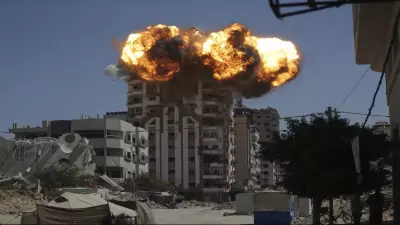
The event, confirmed on 05 January 2026, has immediately destabilized global oil markets. Venezuela holds the world's largest proven oil reserves, and the sudden removal of its leadership has created immense uncertainty about future crude supplies and pricing. The news triggered volatile trading as analysts scrambled to assess the long-term impact on energy security.
More pointedly, the action has delivered a sharp blow to Russian President Vladimir Putin. Venezuela has been a key strategic and economic ally for Moscow in Latin America, providing a foothold for Russian influence and investments in the oil sector. The loss of Maduro is a major setback for the Kremlin's foreign policy objectives.

Russian Nationalists Voice Fury and Draw Comparisons
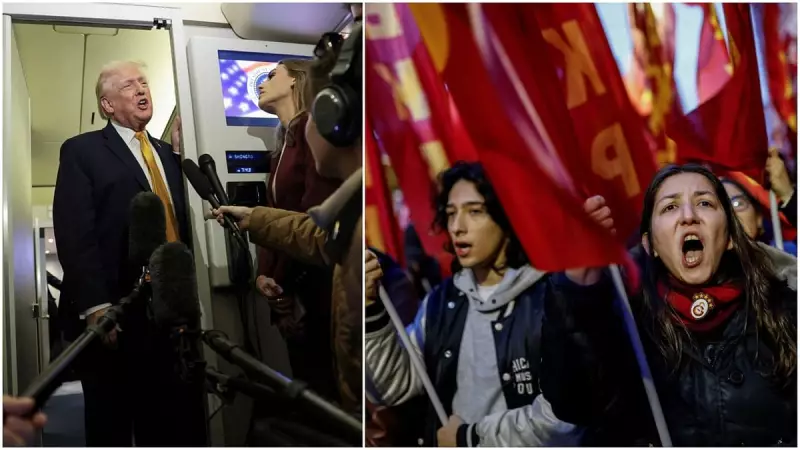
The reaction within Russia has been one of fury and humiliation. Prominent Russian nationalists have openly criticized the government, lamenting the rapid loss of a crucial ally so soon after the decline of Russian influence in Syria following Bashar al-Assad's diminished position.
These critics have made unflattering comparisons, highlighting the speed and efficiency of the U.S. operation against Maduro versus the perceived slow and grinding pace of Russia's military advances in the ongoing conflict in Ukraine. This comparison has sparked uncomfortable debates about Russian military capability and strategic planning on the global stage.
Trump's Monroe Doctrine Moment and Global Implications
Analysts are framing this event as Donald Trump's definitive Monroe Doctrine moment. The nearly 200-year-old U.S. policy asserts American dominance in the Western Hemisphere and opposes foreign intervention. By seizing Maduro, who was backed by Russia, the Trump administration has forcefully reasserted this principle, signaling zero tolerance for rival powers establishing spheres of influence close to American borders.
The long-term consequences are multifaceted. The immediate shock to oil markets may stabilize, but the geopolitical landscape is altered. It represents a direct challenge to Russian and Chinese ambitions in Latin America and sets a precedent for aggressive U.S. intervention. The world is now watching closely to see how Russia will respond to this profound challenge to its prestige and global standing.