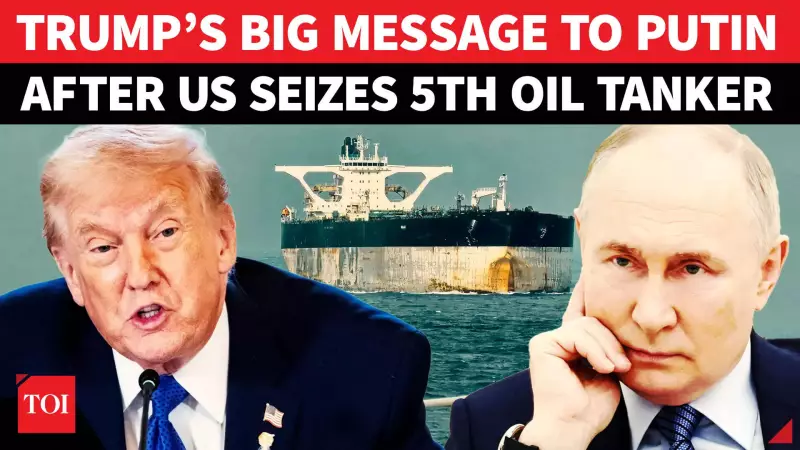
In a bold move escalating maritime tensions, American forces have seized a fifth oil tanker in the Caribbean Sea near Venezuela, prompting a sharp and provocative reaction from US President Donald Trump directed at Moscow. The incident, which occurred in early January 2026, marks a significant intensification of Washington's crackdown on energy shipments linked to Russia.
A Direct Challenge to the Kremlin
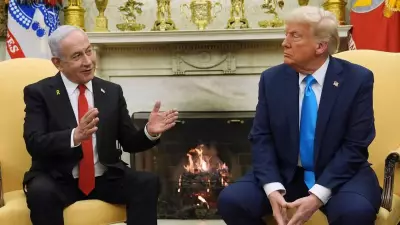
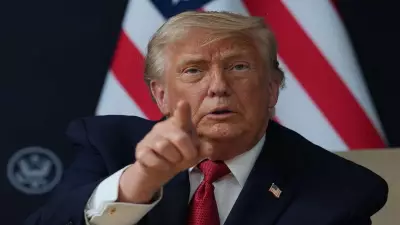
President Donald Trump did not mince words in his response to the latest seizure. He openly taunted the Russian government, questioning its ability to prevent such operations by US authorities. In his remarks, Trump referred to the intercepted vessel as "semi-Russian," a label underscoring the complex ownership and flagging issues often involved in global oil trade intended to circumvent sanctions.
This confrontation follows closely on the heels of another major incident where US authorities captured a Russian-flagged tanker in the North Atlantic. Together, these actions signal a coordinated and hardening stance from Washington, aiming to tighten the economic pressure on Russia by targeting its energy exports on the high seas.

Global Shipping Routes Become a New Front
The repeated seizures highlight how global shipping lanes are rapidly transforming into a new frontline in the ongoing geopolitical standoff between the United States and Russia. The strategic Caribbean region, a key transit zone for oil from Venezuela—a Russian ally—has become a focal point for this enforcement.
Trump's message to Russian President Vladimir Putin was laced with economic bravado. By declaring "the US is open for business," the American president framed the aggressive maritime interdictions not just as security operations, but as assertions of US economic and strategic dominance, challenging Russian influence in America's traditional sphere of influence.
Implications for International Relations and Trade
The growing frequency of these tanker seizures carries profound implications. It raises critical questions about the freedom of navigation and the extent of unilateral enforcement actions in international waters. For global energy markets, these events inject new volatility and risk into shipping logistics, potentially affecting oil prices and insurance costs.
Analysts warn that this intensifying maritime crackdown could lead to dangerous miscalculations or direct confrontations between naval forces. The rhetoric from the top, exemplified by Trump's taunts, fuels an already tense environment, moving the conflict beyond land borders and into the world's oceans.
The situation remains fluid, with the international community closely watching for Russia's next move. Whether Moscow will respond with diplomatic protests, reciprocal actions, or a de-escalation is yet to be seen, but the stakes for global trade and security have been unmistakably raised.