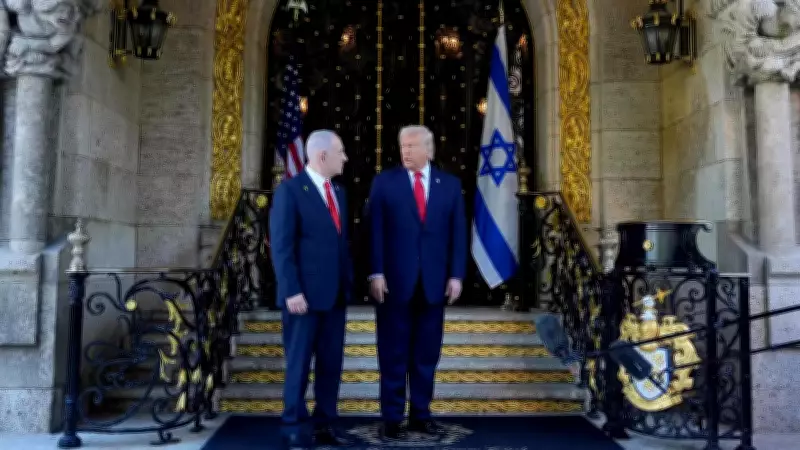
Why the United States is Actively Supporting Israel's Military Actions Against Iran
The ongoing conflict between Israel and Iran has drawn significant international attention, with the United States playing a pivotal role in supporting Israel's military efforts. This involvement is not merely a matter of diplomatic solidarity but stems from a complex web of strategic, political, and security considerations that shape US foreign policy in the Middle East.
Strategic Alliances and Historical Ties
The United States and Israel share a long-standing alliance that dates back to the establishment of the State of Israel in 1948. This relationship is underpinned by mutual interests, including democratic values, economic cooperation, and military collaboration. Over the decades, the US has provided Israel with substantial military aid, intelligence sharing, and political backing, making it a key partner in regional affairs.
In the context of the conflict with Iran, this alliance is crucial. Iran's regional ambitions, support for proxy groups, and nuclear program are viewed as direct threats to Israeli security. By supporting Israel, the US aims to counter Iranian influence and maintain stability in a volatile region. This support includes arms sales, joint military exercises, and diplomatic efforts to isolate Iran internationally.

Regional Security and Geopolitical Interests
The Middle East is a strategically vital region for the United States, rich in oil resources and home to key allies. Iran's actions, such as its involvement in conflicts in Syria, Yemen, and Lebanon, are seen as destabilizing forces that could threaten US interests. By backing Israel, the US seeks to curb Iranian expansionism and protect its own strategic assets, including military bases and economic investments in the area.
Moreover, the US has broader geopolitical goals, such as preventing the rise of a regional hegemon that could challenge American dominance. Iran's growing military capabilities and alliances with countries like Russia and China add urgency to US efforts to support Israel as a counterbalance. This dynamic is part of a larger global competition for influence, where the Middle East serves as a critical battleground.
Shared Threats and Security Cooperation
Both the United States and Israel perceive Iran as a common adversary due to its support for terrorism, development of ballistic missiles, and pursuit of nuclear weapons. This shared threat perception has led to enhanced security cooperation, including intelligence sharing and coordinated military strategies. For instance, the US has assisted Israel in developing missile defense systems like Iron Dome, which are crucial in countering Iranian-backed attacks.
In recent years, incidents such as Iranian drone strikes on Israeli targets and attacks on US forces in the region have underscored the need for a unified response. The US involvement in Israel's war efforts is often framed as a defensive measure to protect both nations from Iranian aggression, reinforcing the notion of a collective security arrangement.
Political and Diplomatic Dimensions
Domestic politics in the United States also play a role in its support for Israel. Bipartisan consensus in Congress often favors strong ties with Israel, driven by factors like lobbying efforts, public opinion, and historical commitments. This political backing translates into policies that prioritize Israeli security, even when it involves direct military engagement against Iran.
Diplomatically, the US uses its influence to rally international support for Israel and impose sanctions on Iran. Efforts such as the withdrawal from the Iran nuclear deal and the imposition of economic penalties are part of a broader strategy to pressure Tehran and bolster Israel's position. This diplomatic front complements military actions, creating a multifaceted approach to the conflict.
Implications and Future Outlook
The US involvement in Israel's war against Iran has significant implications for regional dynamics. It risks escalating tensions, drawing in other actors, and potentially leading to broader conflicts. However, from a US perspective, the benefits of supporting Israel—such as maintaining a loyal ally, countering Iranian threats, and upholding regional stability—often outweigh these risks.

Looking ahead, the US is likely to continue its support, adapting to evolving threats like Iran's nuclear advancements or cyber warfare capabilities. This ongoing commitment reflects the deep-seated nature of the US-Israel alliance and the strategic imperatives that drive American foreign policy in the Middle East.
In summary, the United States is fighting Israel's war in Iran due to a combination of strategic alliances, regional security concerns, shared threats, and political factors. This involvement underscores the complex interplay of interests that define international relations in one of the world's most contentious regions.