








Politics
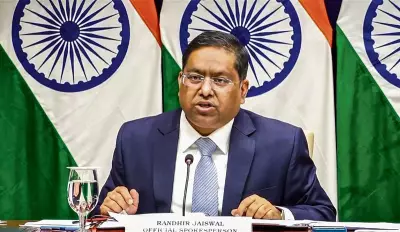
Over 1,700 Indians Safely Exit Iran via Land Borders Amid West Asia Conflict
The Ministry of External Affairs confirms over 1,700 Indian nationals have safely left Iran through land borders, with ongoing efforts to assist others amid escalating tensions in West Asia.





World
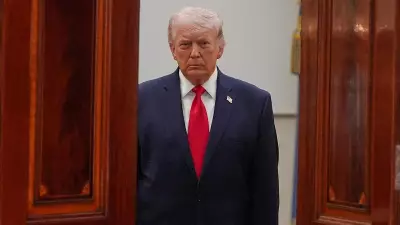
Trump Issues Final Ultimatum to Iran, Warns of Severe Consequences
Former US President Donald Trump has declared his Tuesday deadline for Iran to reach a deal as final, dismissing Tehran's peace proposal as insufficient and threatening significant retaliation.



Entertainment

Abhishek Sharma on Fame, Focus, and Staying Grounded in Entertainment
Actor Abhishek Sharma shares insights on handling fame, self-doubt, and maintaining balance in the entertainment industry, emphasizing humility and authenticity.



Business
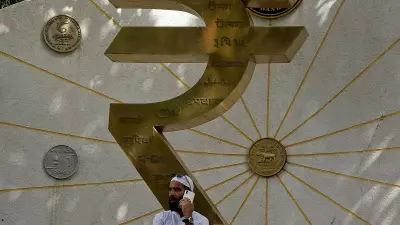
Indian Rupee Gains 28 Paise, Closes at 92.90 Against US Dollar
The Indian rupee appreciated by 28 paise to settle at 92.90 against the US dollar, supported by RBI measures. However, forex traders warn that foreign capital outflows, a strong dollar, and high crude oil prices amid geopolitical volatility continue to pr



Sports




Lifestyle





Technology
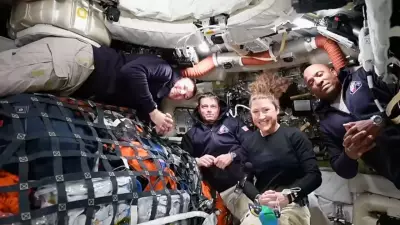
Artemis 2 Astronauts Complete Historic Moon Flyby Mission
NASA's Artemis 2 astronauts successfully completed a historic moon flyby, becoming the first humans to visit lunar orbit since Apollo 17 in 1972. The crew observed rare lunar features and witnessed a solar eclipse from beyond the moon.

Bengaluru Man Loses Rs 50,000 in ATM Scam for Mother's Treatment
A 26-year-old man in Bengaluru was cheated of Rs 50,000 by a stranger at an ATM who used a fake transaction screenshot to steal money meant for his mother's medical treatment.

Fortnite v40.20 Update: Release Date and Features
Fortnite v40.20 update launches on April 16, 2026, with balance adjustments, new cosmetics, and narrative developments for Chapter 7 Season 2: Showdown.

Xiaomi Fan Festival 2026: Deals, Redmi Note 15 SE, MiniLED TVs
Xiaomi announces Fan Festival 2026 with discounts on smartphones, TVs, and devices, launches Redmi Note 15 Special Edition, and enters MiniLED TV segment in India.

Genshin Impact 6.5: Linnea Release Date & Timings
Genshin Impact's Version 6.5, Luna VI, launches on April 8, 2026, introducing the new 5-star Geo character Linnea. Here are the release timings for all major regions worldwide.
