

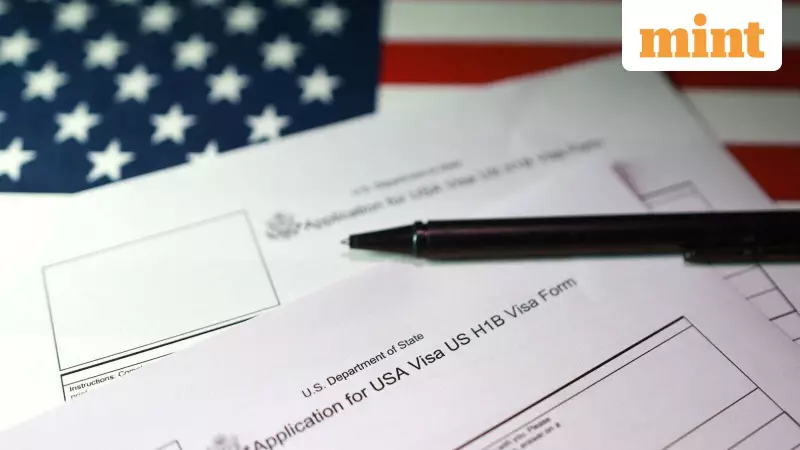
The United States Department of Labor (DOL) has taken a significant step that could dramatically increase the minimum wages employers must pay to foreign workers on H-1B visas and those seeking permanent residency through the PERM program. The department has sent a confidential proposed rule to the White House Office of Management and Budget (OMB) for review, a move that signals a potential revival of a contentious Trump-era immigration policy.
Proposal Aims to Rewrite Wage Calculations
The proposed regulation, titled "Improving Wage Protections for H-1B and PERM Employment in the United States," was submitted by the DOL's Employment and Training Administration (ETA). While the specific details remain under wraps until the rule is published in the Federal Register, its intent is clear: to update the methodology for determining prevailing wages. This change is expected to impose substantially higher wage floors for companies sponsoring foreign talent, a move that follows a 2025 proclamation by former President Donald Trump directing the DOL to rewrite these very regulations.
Immigration attorney Emily Neumann highlighted the development on social media platform X, stating, "The move follows Trump’s 2025 proclamation directing DOL to rewrite prevailing wage regulations. Details aren’t public yet, but this could significantly impact H-1B and PERM costs. Employers should be watching closely."

Potential for Severe Industry Disruption
Industry experts are sounding alarms about the potential fallout. James Blunt, founder of 4X, warned that the rule could have a massive impact. "By sharply raising prevailing wages, it would effectively price out H-1B workers, especially at initial filing and during extensions," Blunt explained. He predicted severe disruption across tech, healthcare, staffing, and employer-sponsored immigration, potentially forcing more employment overseas.
Blunt drew a direct parallel to the previous administration's actions. "During Trump 1.0, DOL changed the prevailing wage calculation methodology almost overnight. ALL required wages effectively doubled," he said. He provided a stark example: "Positions paying around $120,000 suddenly required approximately $230,000 to $240,000 to remain compliant. This applied to extensions and transfers, not just new filings." The resulting chaos was so significant that the rule was eventually rescinded.
What Comes Next for Employers and Workers
The immediate next step is the OMB's review process. Once cleared, the proposed rule will be published in the Federal Register, triggering a public comment period where stakeholders, including corporations and immigration advocates, can formally respond. Given the historical precedent, the business community, particularly in technology sectors that heavily rely on H-1B visa holders, is likely to mount significant opposition.
For Indian professionals and companies with operations in the US, this development is critical. The H-1B program is a primary pathway for Indian skilled workers, especially in IT and engineering. A sharp, non-gradual increase in wage requirements could freeze hiring, complicate extensions for current employees, and alter the fundamental economics of outsourcing and global capability centers. Employers are advised to monitor the situation closely and prepare for potential increases in their cost structures for sponsored employees.






