US Military Confirms Interception of 31 Vessels in Iranian Port Blockade
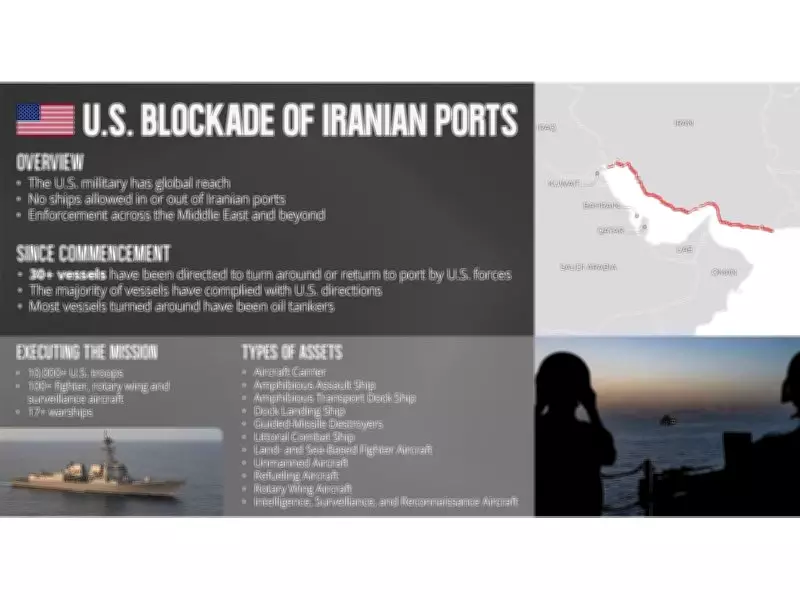
The United States military has officially reported a significant maritime security operation, revealing that 31 vessels were turned back while attempting to breach a port blockade in Iran. This development underscores the ongoing tensions and strategic maneuvers in the region, with the US Navy playing a pivotal role in enforcing security measures.
Details of the Vessel Interceptions
According to the latest statements from US military officials, the intercepted vessels were primarily oil tankers, indicating a focus on disrupting potential illicit oil shipments. The operation, which took place at a key Iranian port, involved coordinated efforts by naval forces to prevent unauthorized access and ensure compliance with international maritime laws.
The majority of the 31 vessels were identified as oil tankers, suggesting that the blockade may be aimed at curbing oil exports that could violate sanctions or fund destabilizing activities. This action reflects broader US policies aimed at exerting economic and security pressure on Iran.

Context and Implications of the Blockade
The port blockade is part of a series of measures implemented by the US to monitor and control maritime traffic in strategic waterways near Iran. These efforts are often linked to sanctions enforcement and counter-proliferation initiatives, with the goal of preventing the flow of resources that could support Iran's military or nuclear programs.
This incident highlights the complex dynamics of US-Iran relations, where naval confrontations and blockades have become common tools in a broader geopolitical struggle. The interception of oil tankers, in particular, points to economic dimensions, as oil remains a critical revenue source for Iran.
US Military's Role and Regional Security
The US Navy's involvement in turning back these vessels demonstrates its continued presence and operational readiness in the Middle East. Military analysts note that such operations are crucial for maintaining freedom of navigation and deterring hostile actions in international waters.
- Enhanced Surveillance: Advanced monitoring technologies were likely used to detect and intercept the vessels efficiently.
- Diplomatic Ramifications: This event could escalate tensions, prompting responses from Iranian authorities and affecting diplomatic negotiations.
- Global Oil Markets: Disruptions to oil tanker movements might have ripple effects on global energy supplies and prices.
In summary, the US military's report of blocking 31 vessels, mostly oil tankers, at an Iranian port marks a significant episode in ongoing maritime security efforts. It underscores the strategic importance of controlling key ports and waterways, while also reflecting the persistent challenges in US-Iran relations. As such operations continue, they will likely influence regional stability and international policy discussions.