Violent Mobs Target US Diplomatic Missions in Pakistan, Leaving 23 Dead
In a shocking escalation of anti-American sentiment, violent mobs launched coordinated attacks on United States diplomatic missions across Pakistan, resulting in at least 23 fatalities. The assaults, reportedly carried out under the banner of 'Operation Epic Fury', have plunged US-Pakistan relations into a new crisis, with widespread damage to embassy and consulate facilities.
Details of the Coordinated Attacks
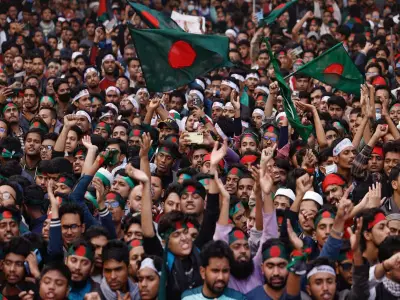
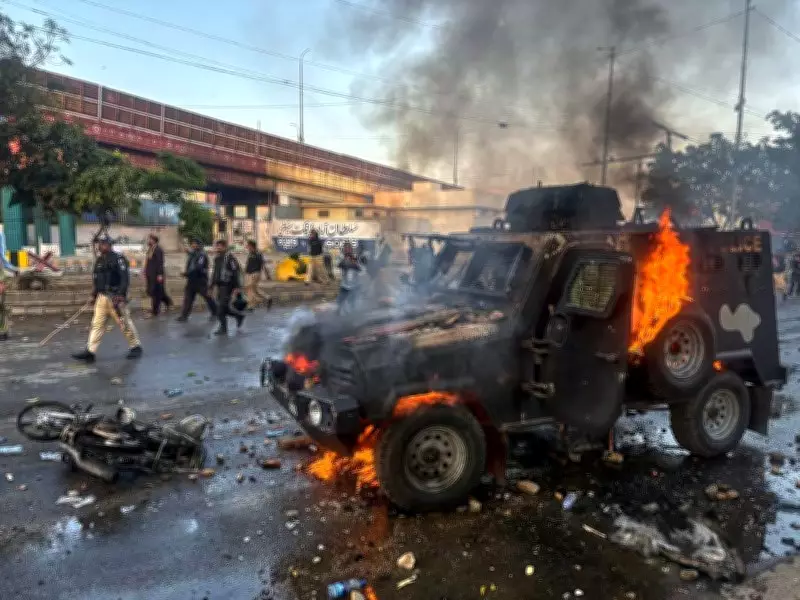
According to official reports, the mobs struck multiple US missions in key Pakistani cities, including Islamabad, Karachi, and Lahore. The attacks involved large crowds of protesters who breached security perimeters, setting fires, vandalizing property, and clashing with local law enforcement and security personnel. The death toll includes both protesters and security forces, with many more injured in the chaotic confrontations.
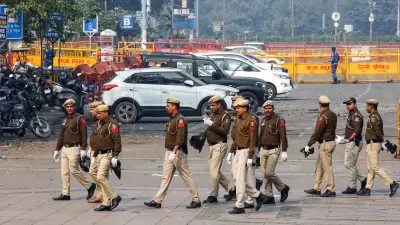
Witnesses described scenes of chaos as the mobs, armed with makeshift weapons, overwhelmed initial defenses. The US State Department has confirmed significant damage to its diplomatic compounds, though specific details on the extent remain under assessment. Pakistani authorities have deployed additional security forces to restore order and protect the affected areas.

Background and Motivations Behind 'Operation Epic Fury'
The attacks are linked to 'Operation Epic Fury', a previously unknown campaign that appears to have mobilized anti-US elements in Pakistan. Sources suggest the operation was fueled by longstanding grievances, including US drone strikes in the region, perceived interference in Pakistani affairs, and broader geopolitical tensions. Social media played a role in rallying participants, with calls for protests circulating widely in the days leading up to the incidents.
This event marks one of the most severe assaults on US diplomatic interests in Pakistan in recent years, highlighting the volatile nature of public sentiment. Analysts note that such mob violence could strain bilateral ties further, complicating efforts on counterterrorism and regional stability.
Immediate Aftermath and International Reactions
In the wake of the attacks, both US and Pakistani officials have condemned the violence. The US Embassy in Islamabad issued a statement expressing deep concern over the loss of life and damage, urging restraint and calling for a thorough investigation. Pakistani leaders have pledged to hold those responsible accountable, with Prime Minister Shehbaz Sharif ordering a high-level inquiry into the security lapses.
International observers, including the United Nations, have called for calm and dialogue to prevent further escalation. The incident has drawn global attention, with many countries monitoring the situation closely due to its potential implications for regional security and diplomatic norms.
Looking Ahead: Security and Diplomatic Fallout
The attacks underscore the fragile security environment for foreign missions in Pakistan and raise questions about preparedness for such large-scale mob actions. Experts warn that without addressing the underlying causes of anti-US sentiment, similar incidents could recur, posing risks to diplomatic personnel and bilateral cooperation.
As investigations proceed, the focus will be on enhancing security measures and fostering dialogue to mend US-Pakistan relations. The death toll of 23 serves as a grim reminder of the human cost of such conflicts, with families mourning the loss of loved ones on both sides.