US Military Prioritizes Iran Operations Over Escorting Commercial Tankers in Hormuz Strait
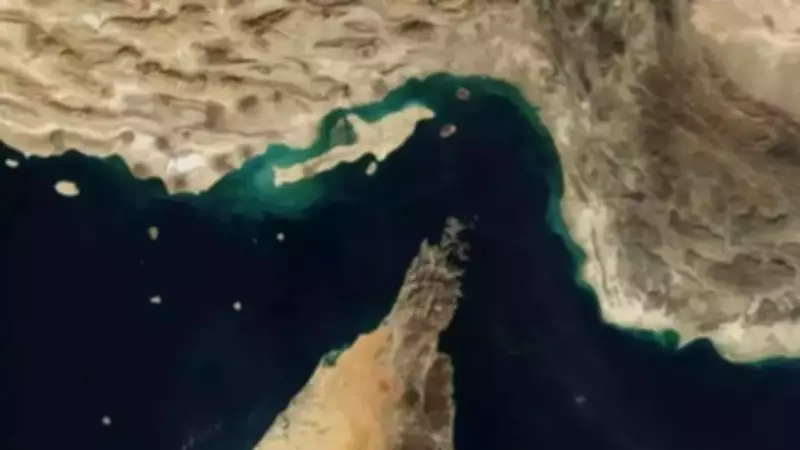
In a significant development regarding maritime security in the Middle East, United States Energy Secretary Chris Wright stated on Thursday that the US military is not yet prepared to provide escorts for commercial oil tankers navigating the strategically critical Strait of Hormuz. According to Wright, American military resources are currently concentrated on operations targeting Iran's offensive capabilities and the industrial infrastructure supporting them.
Immediate Focus on Countering Iranian Threats
Speaking in an interview with CNBC, Secretary Wright emphasized that the immediate priority for US forces is the destruction of Iran's offensive military assets and the manufacturing sectors that supply them. "It'll happen relatively soon, but it can’t happen now. We’re simply not ready," Wright declared. He elaborated further, noting, "All of our military assets right now are focused on destroying Iran’s offensive capabilities and the manufacturing industry that supplies their offensive capabilities."
Wright indicated that escort operations for commercial vessels through the strait could potentially commence "quite likely" by the end of this month, signaling a temporary delay rather than a permanent abandonment of the plan.

Conflicting Statements and Escalating Tensions
The announcement comes amid a backdrop of heightened tensions and conflicting messages from US officials. Just a day earlier, when questioned by reporters, former President Donald Trump expressed encouragement for oil company CEOs to utilize the Strait of Hormuz, stating, "I think they should, I think they should." When probed about potential Iranian mine-laying activities in the waterway, Trump responded, "We don't think so."
However, the United States Central Command reported earlier this week that US forces had "eliminated" 16 Iranian vessels suspected of deploying naval mines near the strait. This action followed a stern warning from Trump to Tehran, demanding the immediate removal of any mines placed in this crucial maritime corridor. Trump had explicitly cautioned that Iran would face military repercussions if mines were deployed, underscoring the strait's importance as a transit route for approximately one-fifth of the world's oil and liquefied natural gas.
Technological Deployment and Broader Conflict
In a post on Truth Social, Trump also revealed that the US is employing technologies previously used against drug trafficking networks to "permanently eliminate" any vessel attempting to mine the strait. The Pentagon confirmed that US forces have been striking Iranian mine-laying vessels and storage facilities as part of the wider conflict involving the United States, Israel, and Iran.
This ongoing fighting has already disrupted shipping through the Strait of Hormuz, raising alarms about global energy supplies and contributing to increased oil prices.
Military Planning and Clarifications
Earlier this week, General Dan Caine mentioned that the US military had begun examining options for escorting commercial ships through the strait if such orders were issued. "We’re looking at a range of options there," Caine told reporters at the Pentagon.
Despite these considerations, sources informed Reuters that the US Navy has thus far declined repeated requests from shipping companies seeking military escorts through the waterway. A moment of confusion arose on Tuesday when Secretary Wright posted on X that the US Navy had escorted an oil tanker through the strait, only to delete the post shortly afterward.
The White House later provided clarification, with Press Secretary Karoline Leavitt confirming that no such escort operation has taken place to date. This series of events highlights the complex and evolving nature of US military strategy in the region, balancing immediate operational demands against long-term security assurances for global commerce.