For several months, a significant and sustained buildup of United States military forces has been underway in waters near Venezuela, marking a notable escalation in regional posture. This deployment, which began in October 2025, involves a formidable naval contingent and has continued into the new year, as confirmed by recent reports.
Scale and Composition of the US Deployment
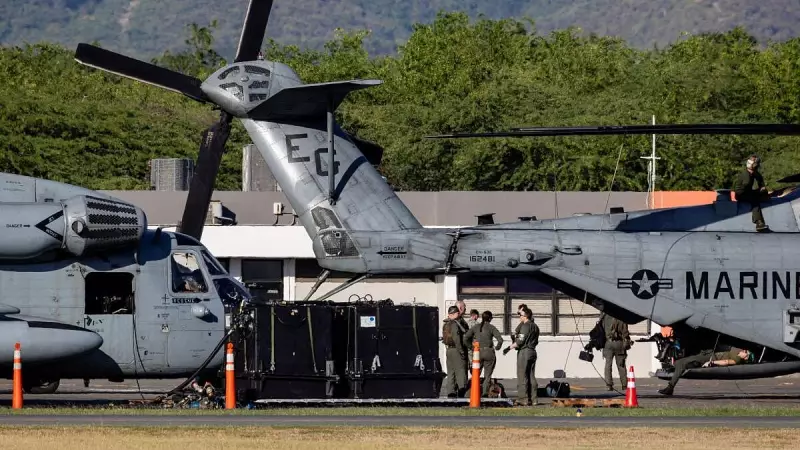
The core of this military presence is a Navy expeditionary strike group. This powerful maritime force is centered around large amphibious warships, which are vessels specifically designed to launch assault operations from the sea. These ships are not sailing lightly; they are carrying thousands of U.S. Marines, America's rapid-response infantry force trained for expeditionary warfare.
The strike group's capabilities are further bolstered by a potent mix of air power. A variety of warplanes and attack helicopters are operating in support, providing the group with reconnaissance, close air support, and significant offensive firepower. This combination of sea-based infantry and aviation assets creates a highly mobile and self-contained military force capable of a wide range of operations.

Timeline and Strategic Context
The initiation of this buildup in October 2025 indicates a planned and prolonged strategic move, rather than a sudden or short-term exercise. Maintaining such a force for months requires substantial logistical planning and reflects a clear intent to project power in the region over an extended period. The presence of these forces was reported as ongoing into early January 2026, underscoring its sustained nature.
Geopolitical Implications and Regional Impact
The deployment of a major U.S. expeditionary force so close to Venezuelan territorial waters is a stark geopolitical signal. Venezuela, a nation rich in oil reserves but mired in prolonged political and economic crisis, has long been a focal point of tension between Washington and the governments of Nicolas Maduro and his predecessors.
This military posture likely serves multiple purposes: it acts as a visible demonstration of U.S. strategic interest in the Caribbean basin, serves as a deterrent, and ensures a high state of readiness for potential contingencies. The move is certain to be viewed with intense scrutiny and probable alarm by the Venezuelan government in Caracas, potentially escalating regional tensions.
For the international community, and particularly for nations like India with significant energy and diaspora interests worldwide, such developments highlight the ongoing volatility in key global regions. It underscores how major power dynamics can directly impact stability in areas crucial to trade and energy security.