A fresh debate about America's global military footprint has ignited, with surprising critics raising alarms. The focus is President Donald Trump's recent actions concerning Venezuela, and the caution is coming from voices traditionally associated with a more restrained view of US power abroad.
Podcast Exchange Highlights Intervention Fears
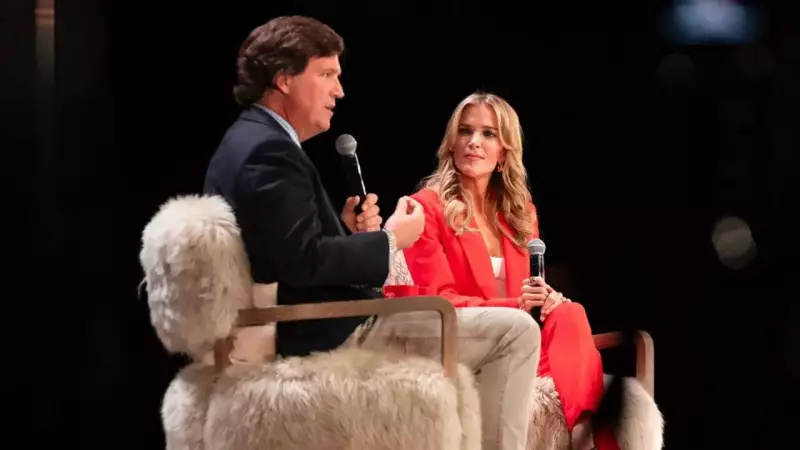
In a revealing podcast discussion, prominent media figures Megyn Kelly and Tucker Carlson dissected the potential fallout from Trump's Venezuela strategy. Their conversation moved beyond partisan lines to touch on core anxieties about national security, the law of unintended consequences, and whether foreign interventions genuinely make the homeland safer.
Speaking to Carlson, Megyn Kelly maintained a firmly skeptical stance. When prompted to reassess her view, her reply was succinct: "Still skeptical." She emphasised a preference for defensive use of military force, labelling the current action as "not necessary." While she acknowledged Trump's honesty about economic interests like oil, she pointed to the troubled history of past US interventions as a warning.

Warning of Retaliation from Venezuelan Gangs
Kelly's sharpest concern was the threat of violent retaliation. She drew a clear distinction, noting, "Venezuela is not Libya. It's not full of a bunch of Middle Eastern potential terrorists, but it's not great." She highlighted the danger posed by powerful criminal organisations within the country.
"They've got a bunch of gangs down there who have zero problem killing Americans," Kelly stated, specifically naming the notorious Tren de Aragua. She questioned which faction might be provoked by a US move perceived as seizing oil resources, framing it as a direct security risk.
Kelly also rejected expansionism for its own sake, stating plainly, "I don't want to have to take care of Venezuela. I really don't." She downplayed the immediate threat of rival powers China or Russia in this scenario, focusing instead on the local blowback.
Political Repercussions and Executive Overreach
The warning extended to domestic politics. Kelly argued that Trump's approach could carry a heavy political cost, potentially leading to a loss of control in the House of Representatives and further weakening an already diminished Congress.
Tucker Carlson echoed this institutional worry, cautioning that unchecked presidential authority in foreign affairs could dangerously alter the balance of power within the US government. Together, they framed the Venezuela situation within a broader context of America's trials and errors abroad, stressing the real-world costs of intervention and the need for accountability and restraint.
The dialogue marks a significant moment where foreign policy critique transcends traditional left-right divides, focusing on practical outcomes and long-term security implications for the United States.