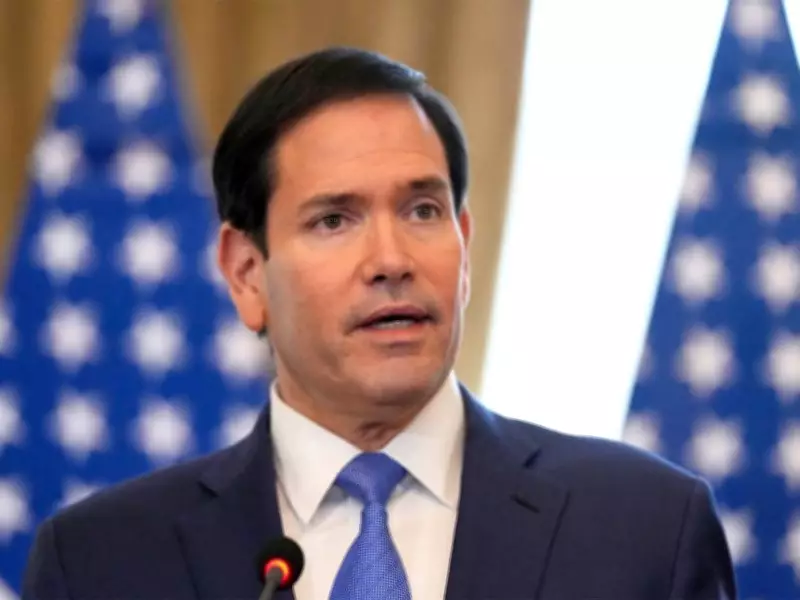
US Secretary of State Marco Rubio Designates Afghanistan as State Sponsor of Wrongful Detention
In a significant diplomatic move, US Secretary of State Marco Rubio has officially designated Afghanistan as a state sponsor of wrongful detention. This decision underscores growing international concerns over human rights violations and arbitrary detentions under the Taliban regime that regained control of the country in 2021.
Background and Rationale for the Designation
The designation follows extensive reports and evidence of systematic abuses, including the detention of individuals without due process, often based on political or ideological grounds. Secretary Rubio emphasized that this action aims to hold the Afghan authorities accountable and pressure them to adhere to international human rights standards.
Key factors leading to this designation include:
- Numerous documented cases of arbitrary arrests and prolonged detentions without trial.
- Targeting of former government officials, activists, and journalists critical of the Taliban.
- Lack of transparency in judicial processes and denial of basic legal rights to detainees.
Implications for US-Afghanistan Relations
This move is expected to further strain the already tense relations between the United States and Afghanistan. It could lead to increased sanctions, reduced diplomatic engagement, and heightened scrutiny of Afghan policies on the global stage. The US government has stated that this designation is part of a broader strategy to promote human rights and deter similar actions by other nations.
Experts suggest that this could impact humanitarian aid and international support for Afghanistan, potentially exacerbating the country's ongoing economic and social crises.
Global Reactions and Future Steps
International human rights organizations have largely welcomed the designation, viewing it as a necessary step to address grave abuses. However, some critics argue that it may isolate Afghanistan further, complicating efforts to engage with the Taliban on issues like counter-terrorism and regional stability.
Looking ahead, the US plans to:
- Monitor the situation closely and review the designation annually based on improvements or deteriorations in human rights conditions.
- Collaborate with allies to coordinate responses and potentially impose collective measures if abuses persist.
- Advocate for the release of wrongfully detained individuals and support victims through diplomatic channels.
This development highlights the ongoing challenges in US foreign policy as it balances human rights concerns with geopolitical realities in a volatile region.