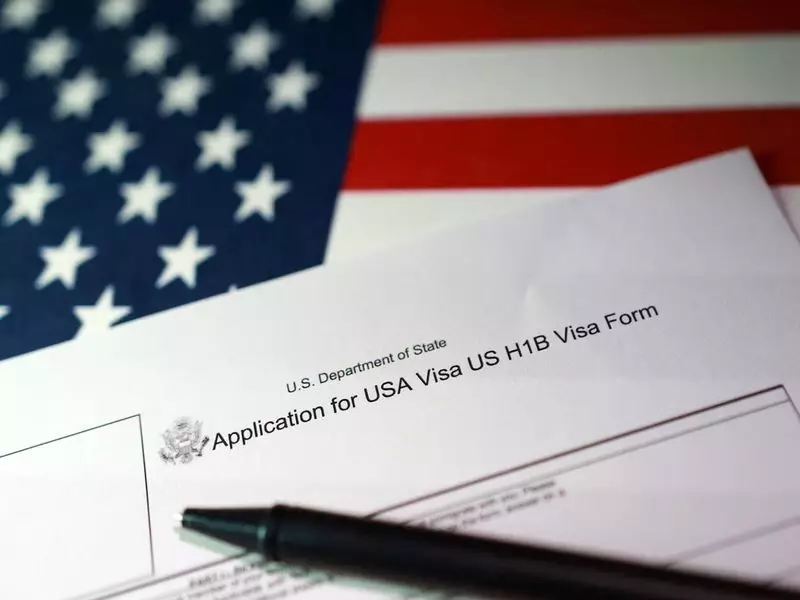
The United States government has taken a decisive step that directly impacts Pakistan. American authorities have officially suspended the issuance of immigrant visas for Pakistani nationals. This action forms part of a broader, sweeping policy change affecting a total of seventy-five countries worldwide.
A Major Setback for Pakistani Aspirants
This suspension represents a substantial obstacle for countless Pakistani citizens who were planning to move to the United States permanently. Families hoping for reunification and individuals seeking new opportunities now face an indefinite halt in their immigration processes. The move signals a significant tightening of U.S. immigration pathways.
Understanding the Scope of the Policy
The policy is not isolated to Pakistan alone. It encompasses a wide array of nations, creating a global ripple effect. The U.S. Department of State implemented this suspension citing ongoing reviews of security protocols and compliance with information-sharing requirements. Officials emphasize the need for enhanced vetting procedures.

Key details of the suspension include:
- The halt applies specifically to immigrant visas, which are for those intending to live permanently in the U.S.
- Non-immigrant visas, such as those for tourism, business, or study, may not be immediately affected under this specific order, but scrutiny remains high.
- The list of seventy-five countries is based on recent assessments of cooperation levels on security and data exchange matters.
Immediate Reactions and Consequences
News of the suspension has sparked immediate concern within Pakistan. Prospective immigrants express deep disappointment and anxiety over their stalled plans. Many had invested considerable time and resources into the application process. The Pakistani government is expected to engage in diplomatic discussions to address the issue.
This development occurs against a backdrop of evolving U.S. foreign policy priorities. It underscores the increasing emphasis on national security in immigration decisions. Analysts note that such measures can strain bilateral relations, particularly with key regional partners like Pakistan.
What This Means for the Future
The suspension does not have a predetermined end date. Its duration will likely depend on future negotiations and assessments. For now, Pakistani nationals must explore alternative immigration options or await policy revisions. The situation highlights the volatile nature of international immigration law.
Observers warn that prolonged restrictions could have economic and social repercussions. They might affect remittance flows and people-to-people connections between the two nations. The U.S. maintains that the step is necessary to safeguard its borders and ensure thorough screening of all applicants.