US Air Travel Grinds to Halt as Government Shutdown Intensifies
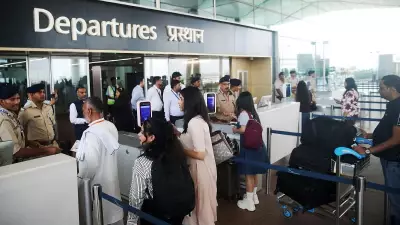
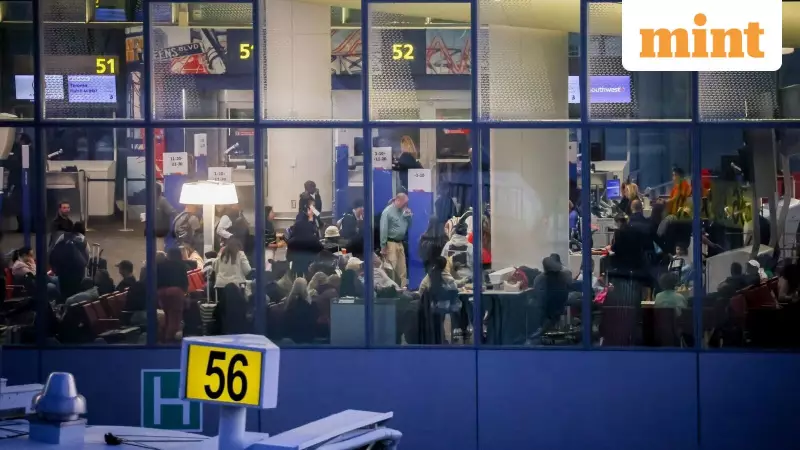
Airlines across the United States have initiated widespread flight cancellations as the longest government shutdown in American history continues to cripple air travel operations, forcing thousands of passengers to alter their travel plans.
The aviation crisis has escalated with hundreds of flights already suspended by the country's four largest carriers. The nation's busiest aviation markets have become the latest battleground in the ongoing political standoff between Republicans and Democrats over federal funding.
Denver's Bold Proposal to Keep Airport Operational
In an unprecedented move, Denver has proposed keeping the nation's third-busiest airport operational by personally funding air traffic controllers during the historic government shutdown. Mayor Mike Johnston revealed the plan to Politico on Thursday, stating it requires approval from the Federal Aviation Administration (FAA).

"The Denver Airport is maybe the largest economic driver in the Rocky Mountain West," the Democrat mayor emphasized. "It is critical to not just our quality of life, but to our economic health."
The city-managed airport formally requested a waiver from the FAA on Wednesday to pay its staff but had not received any response as of Thursday, according to reports.
FAA Implements Nationwide Flight Reductions
The FAA has ordered an unprecedented scaling down of routes nationwide, affecting 40 airports across more than two dozen states. Major aviation hubs including Atlanta, Dallas, Denver, Los Angeles, and Charlotte, North Carolina are all impacted by the slowdown.
Flight tracking data reveals the severity of the situation. Over 800 flights were cancelled nationwide, representing four times the number of cancellations recorded just the previous day, according to FlightAware.
The FAA announced that flight reductions would commence at 4% and progressively increase to 10% within a week. These cuts, affecting all commercial airlines, are scheduled daily between 6 a.m. and 10 p.m.
Staffing Crisis and Safety Concerns
The aviation authority maintains these cuts are essential to relieve pressure on air traffic controllers who have been working without pay for more than a month. Many controllers are currently pulling six-day work weeks with mandatory overtime, while increasing numbers are calling out sick as financial strain and exhaustion mount.
Kelly Matthews, a frequent business traveler from Flat Rock, Michigan, expressed understanding for the staff's situation: "You can't expect people to go into work when they're not getting a paycheck. I mean it's not a matter of them not wanting to do the job — but you can't afford to pay for gas, your day care and everything else."
The Republican-led administration argues the reductions are necessary to maintain flight safety amid staffing shortages caused by the shutdown. Meanwhile, at least one senior congressional Democrat has demanded greater transparency to ensure the move isn't politically motivated.
Impact on Travelers and Airlines
Airlines have stated they will attempt to minimize customer impact by focusing cuts on routes to and from small and medium-sized cities. However, industry analyst Henry Harteveldt warned that the reductions will "have a noticeable impact across the U.S. air transportation system."
According to Department of Transportation regulations, airlines must refund customers for cancelled flights but aren't required to cover secondary costs like food and hotel accommodations unless the delay or cancellation results from factors within airline control.
The flight cuts could also disrupt package delivery services, as two airports on the affected list serve as major distribution centers for delivery companies: FedEx in Memphis, Tennessee and UPS in Louisville, Kentucky.
The aviation crisis emerges as the Trump administration intensifies pressure on Congressional Democrats to end the government shutdown, with air travel disruptions affecting millions of Americans and potentially impacting global connectivity.