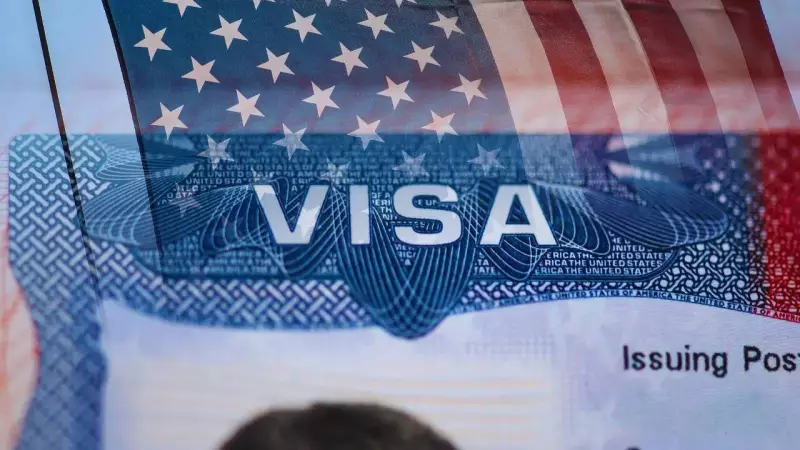
The United States has implemented a major global expansion of its visa screening procedures, now mandating comprehensive online presence reviews for all applicants of H-1B and H-4 visas, irrespective of nationality. This significant policy shift, announced by the U.S. Department of State, took effect worldwide on December 15.
What the New Visa Screening Rules Entail
According to an official announcement made by the U.S. Embassy in India on the social media platform X (formerly Twitter), the expanded vetting is now a standard part of the screening process for these visa categories. The embassy's post clarified that this move is a global effort aimed at addressing potential abuse of the H-1B program while still enabling American companies to hire top-tier temporary foreign talent.
While U.S. embassies and consulates continue to accept and process applications for H-1B (specialty occupation workers) and H-4 (their dependents) visas, authorities are now explicitly warning applicants to apply well in advance and anticipate additional processing time. The revised approach marks a formal inclusion of employment-based visas into a vetting framework that has long been applied to other temporary categories like student (F, M) and exchange visitor (J) visas.

Immediate Impact and Widespread Disruption
The real-world consequences of this policy expansion have been swift and severe, particularly for applicants in India, which is historically one of the largest sources of H-1B workers. Thousands of pre-scheduled H-1B visa interviews in India from December 15 onwards were abruptly postponed, with many professionals receiving new dates months into the future.
This has created a crisis for numerous applicants who had travelled to India for visa stamping, only to find themselves stranded and unable to return to their jobs in the United States. Reports indicate interviews originally set for mid-December have been rescheduled as far out as March and even May 2024, causing significant personal and professional upheaval.
Balancing Security with Talent Needs
U.S. officials state that the broader screening is designed to strengthen national security safeguards and ensure those entering the country meet strict admissibility standards. They emphasize that the intent is not to exclude skilled workers but to curb misuse of the popular H-1B program, a cornerstone for the U.S. technology sector.
The extension of social media and online activity reviews to H-1B workers and their families represents a notable escalation in scrutiny. Earlier this year, applicants in some other visa categories were also asked to make their social media profiles public to aid verification. This latest step formally brings high-skilled employment visas under the same intensive online vetting umbrella.
For Indian tech professionals and U.S. companies that rely on this talent pipeline, the extended delays could influence future hiring strategies, project timelines, and decisions regarding remote or offshore work arrangements. Applicants are strongly advised to factor in these new procedural hurdles when planning their visa applications.