U.S. Embassy in Riyadh Targeted by Suspected Iranian Drone Strike
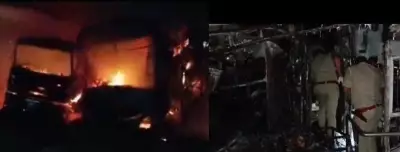
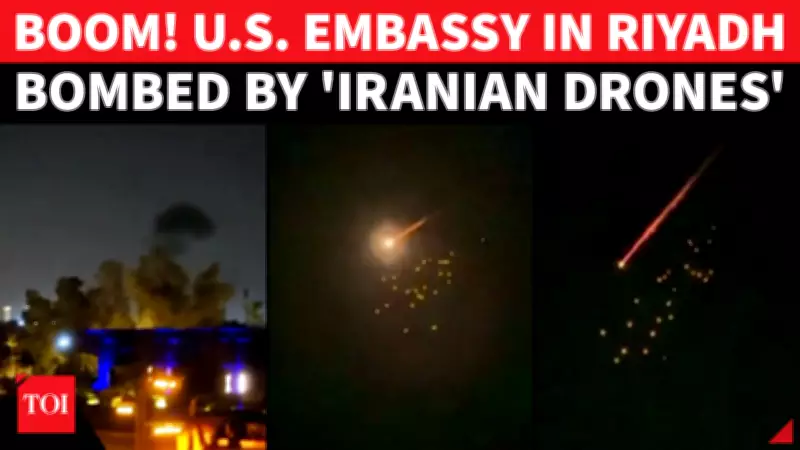
The United States Embassy in Riyadh, Saudi Arabia, was bombed in a drone attack early Tuesday morning, with Saudi authorities confirming the assault originated from two suspected Iranian unmanned aerial vehicles. The strike caused significant explosions that rocked the Saudi capital, leading to a fire at the diplomatic compound and triggering immediate emergency advisories across the broader Middle Eastern region.
Immediate Aftermath and Security Measures
While no injuries have been reported from the direct attack on the embassy, the incident has prompted a severe security response. The U.S. Mission in Saudi Arabia swiftly ordered all personnel and American citizens to implement shelter-in-place measures, effectively restricting movement to essential travel only. Additionally, access to military sites and installations across the country has been tightly controlled as a precautionary step.
A sweeping security advisory has now been extended to cover multiple nations throughout the Middle East, reflecting heightened concerns over potential follow-up attacks or retaliatory actions. The U.S. State Department has issued an urgent warning, advising American citizens in the region to "depart now" due to what it describes as "serious and imminent safety risks." This advisory underscores the volatile security landscape following the embassy bombing.

Escalating Regional Tensions and Protests
The drone strike on the U.S. Embassy occurs against a backdrop of rapidly escalating geopolitical tensions in the Middle East. Recent joint U.S.–Israeli airstrikes targeting Iranian-backed militias have significantly inflamed regional hostilities, contributing to a cycle of retaliation and brinkmanship. In Iraq, public protests have intensified, with demonstrators vocally demanding the complete withdrawal of U.S. forces from the country, citing the recent military actions as a primary grievance.
These protests highlight the growing anti-American sentiment in parts of the region and complicate diplomatic efforts to de-escalate the situation. The embassy attack in Riyadh is seen as a direct consequence of these heightened tensions, potentially marking a dangerous new phase in the ongoing proxy conflicts and strategic rivalries involving the United States, Iran, and their respective allies.
Broader Implications for U.S. Foreign Policy
This brazen attack on a sovereign U.S. diplomatic mission represents a severe challenge to American foreign policy and security posture in the Middle East. It raises critical questions about the effectiveness of current defense systems in countering drone threats and the broader strategy for engaging with Iran and its proxies. The incident is likely to prompt a rigorous reassessment of security protocols at U.S. installations worldwide and could influence future military and diplomatic decisions in the region.
The international community is closely monitoring the situation, as any miscalculation or further escalation could have destabilizing consequences far beyond the immediate area. The coming days will be crucial in determining the official response from Washington, Riyadh, and Tehran, and whether this event leads to a de-escalation or a further spiral into conflict.