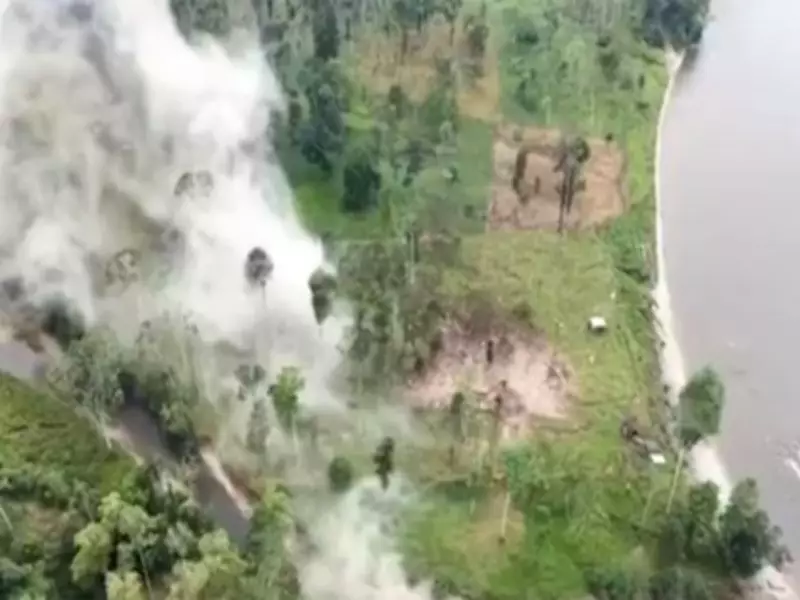
US and Ecuador Conduct Coordinated Military Operation Against Narco-Terrorist Networks
In a significant move to bolster regional security, the United States has partnered with Ecuador to execute a joint military operation aimed at dismantling narco-terrorist groups operating along the border regions. This collaborative effort underscores a deepening commitment to combatting transnational crime and enhancing defense ties between the two nations.
Details of the Joint Military Action
The operation involved coordinated efforts between US military personnel and the Ecuadorian Armed Forces, focusing on key areas known for illicit activities linked to drug trafficking and terrorism. Authorities reported that the mission targeted infrastructure and hideouts used by these criminal organizations, aiming to disrupt their operations and apprehend key figures.
This initiative marks a proactive step in addressing the growing threat posed by narco-terrorism in the region, which has been linked to violence, corruption, and instability. The US Department of Defense emphasized that such operations are crucial for maintaining peace and security, not only in Ecuador but across the Americas.

Implications for Regional Security and Bilateral Relations
The joint operation highlights the strengthening of military and diplomatic relations between the United States and Ecuador. By working together, both countries aim to share intelligence, resources, and expertise to more effectively counter shared threats. This collaboration is expected to set a precedent for future joint efforts in the fight against organized crime and terrorism in Latin America.
Experts note that narco-terrorist groups often exploit porous borders and weak governance to expand their influence, making international cooperation essential. The success of this operation could lead to increased stability and reduced drug-related violence in affected communities.
- Enhanced intelligence sharing between US and Ecuadorian forces.
- Targeted strikes on narco-terrorist infrastructure and personnel.
- Improved regional security through coordinated military actions.
As the situation develops, both nations are likely to continue their joint efforts, with a focus on long-term strategies to eradicate these threats and promote sustainable peace in the region.