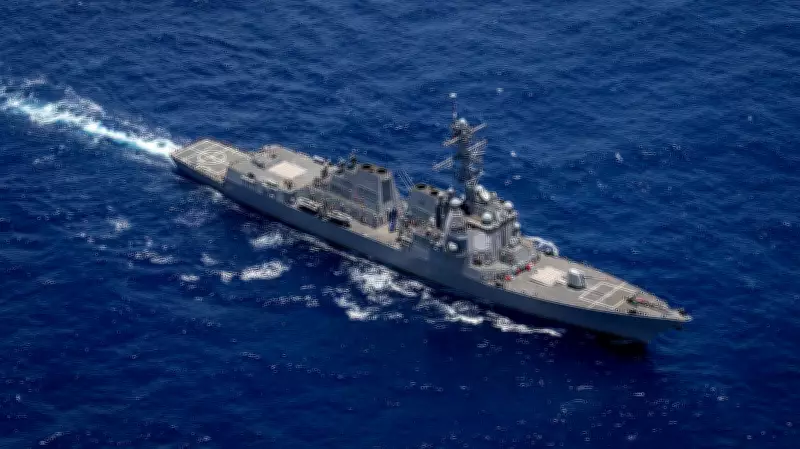
US Navy Destroyer Makes Strategic Port Call in Southern Israel
In a significant display of military cooperation and strategic presence, a United States Navy destroyer has docked at the port of Eilat in southern Israel. This port call underscores the deepening defense ties between the two nations amid ongoing regional instability and security challenges.
Details of the Naval Deployment
The vessel identified as the USS Carney (DDG-64), an Arleigh Burke-class guided-missile destroyer, arrived at Eilat, a key maritime hub on the Red Sea. This deployment is part of routine US naval operations in the Middle East, but it carries heightened significance given the current geopolitical climate.
Eilat serves as a critical port for Israel, providing access to the Red Sea and beyond. The arrival of the USS Carney highlights the port's strategic importance for military logistics and regional security coordination.

Context and Regional Implications
This naval visit occurs against a backdrop of escalating tensions in the Middle East, including:
- Ongoing conflicts and security threats in neighboring regions.
- Increased maritime security concerns in the Red Sea and surrounding waters.
- Broader efforts by the US to bolster alliances and ensure stability in the area.
The presence of a US destroyer in Israeli waters is seen as a tangible demonstration of American commitment to Israel's security. It also reinforces the operational readiness of US forces in the region, capable of responding to emergent threats.
Military and Diplomatic Significance
Port calls like this serve multiple purposes:
- Enhancing interoperability between US and Israeli naval forces through joint exercises and training opportunities.
- Providing logistical support for sustained naval operations in the Eastern Mediterranean and Red Sea.
- Sending a deterrent message to adversarial actors in the region about the strength of the US-Israel partnership.
Such deployments are integral to the broader US strategy of maintaining a forward presence in key global hotspots. They facilitate real-time intelligence sharing and rapid response capabilities, which are crucial for addressing asymmetric threats.
Broader Strategic Outlook
The docking of the USS Carney at Eilat is not an isolated event but part of a pattern of increased US military engagement in the Middle East. This aligns with Washington's policy of ensuring freedom of navigation and protecting allied interests against potential aggressors.
As regional dynamics continue to evolve, the strategic partnership between the United States and Israel remains a cornerstone of stability in the Middle East. The visible presence of advanced US naval assets like the Arleigh Burke-class destroyers underscores this enduring alliance and its readiness to address complex security challenges.