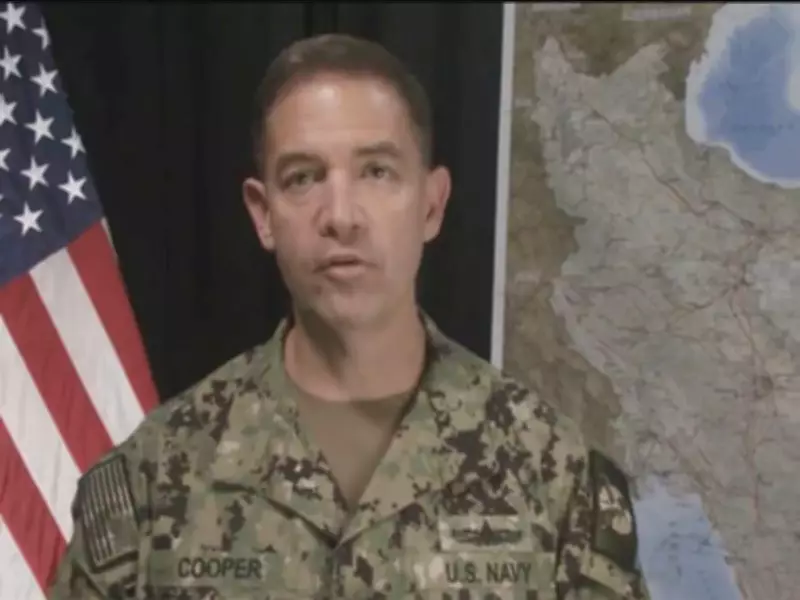
US Central Command Chief Declines to Halt Iran's Retaliatory Capability
The head of the United States Central Command has made a significant statement regarding Iran's military capabilities, emphasizing that the US will not take actions to stop Iran's ability to hit back in potential conflicts. This declaration comes amid heightened tensions in the Middle East and underscores the complex strategic dynamics at play.
Strategic Military Considerations
In a recent address, the US Central Command chief clarified that while the US maintains a strong military presence in the region, it does not intend to undermine Iran's capacity for retaliation. This approach reflects a broader strategy of deterrence and calculated engagement, rather than outright confrontation. The commander highlighted that Iran possesses advanced missile systems and other military assets that enable it to respond effectively to threats.
The statement signals a nuanced stance in US foreign policy, balancing the need to protect American interests with the recognition of Iran's sovereign defense rights. It also acknowledges the potential for escalation if Iran's retaliatory abilities were to be compromised, which could lead to broader regional instability.

Ongoing Tensions in the Middle East
The Middle East remains a hotspot for geopolitical friction, with Iran at the center of many disputes. The US Central Command's role involves overseeing military operations in this volatile area, including counter-terrorism efforts and ensuring the security of key allies. The chief's remarks come as Iran continues to develop its military capabilities, despite international sanctions and diplomatic pressures.
This development is closely watched by global observers, as it could influence future diplomatic negotiations and military strategies. The US has previously engaged in talks with Iran over its nuclear program, but progress has been slow, and tensions have periodically flared up over issues such as maritime security and proxy conflicts.
Implications for Regional Security
The decision not to impede Iran's retaliatory ability has several implications:
- Deterrence Strategy: By allowing Iran to maintain its hit-back capability, the US aims to create a balance of power that discourages aggressive actions from either side.
- Diplomatic Channels: This stance may open doors for renewed dialogue, as it shows a willingness to engage without seeking to cripple Iran's defenses entirely.
- Allied Concerns: US allies in the region, such as Israel and Saudi Arabia, might view this as a cautious approach that requires close coordination to address shared security threats.
Overall, the US Central Command chief's statement highlights the delicate balancing act in managing relations with Iran. It underscores the importance of military preparedness while avoiding steps that could trigger a wider conflict. As the situation evolves, continued monitoring of Iran's activities and US strategic adjustments will be crucial for maintaining stability in the Middle East.